












This is a cache of https://www.owenscorning.com/en-us/roofing/blog/spring-roof-maintenance. It is a snapshot of the page as it appeared on 2026-09-17T08:51:29.206+0000.
Spring Roof Maintenance Tips | Owens Corning Roofing | Owens Corning Roofing Skip to Main Content
Blue grey house with Owens Corning Duration Designer shingles in Merlot, surrounded by a blue sky and shrubbery with spring flowers.

Spring Roof Maintenance: Cleaning & Inspection Tips for Homeowners

Written By Owens Corning RoofingDate Published 2026-06-04

Winter weather can take a serious toll on your roof. Snow, ice, freezing temperatures, and strong winds often leave behind damage that is not immediately visible. That is why spring roof maintenance is one of the most important seasonal tasks for homeowners.


Why Spring Roof Repair & Inspection Matters

As temperatures begin to rise, your roofing system reacts in ways that can expose hidden issues.

In Warmer Temperatures:

  • Shingles can expand, which may reveal cracks, lifting edges, or winter damage that was not visible before.
  • Roof sealants, which are waterproof materials used to seal gaps around vents, chimneys, skylights, and flashing, can soften in warmer weather. When these seals weaken, water can more easily find its way into your home.
  • Roofing materials, such as flashing, underlayment, and metal fasteners, can become more pliable as temperatures rise, which may create small gaps over time.
  • Increased heat buildup in the attic, which may worsen ventilation or moisture issues.

These seasonal shifts make early spring the ideal time for a thorough roof inspection. Catching small problems now can help prevent more significant damage during summer heat or severe spring storms.

Smart Spring Roof Maintenance Tips

Roof maintenance for spring does not have to be complicated. It's an important time to check in on each area of the roofing system to ensure the roof, including shingles, ventilation, and other key areas, performs at it's best. A smart approach focuses on the areas most vulnerable to seasonal damage. By checking shingles, clearing gutters, removing debris, inspecting flashing, and evaluating attic ventilation, homeowners can address small concerns with annual home roof maintenance before they become costly repairs. 

Start by Surveying Your Shingles

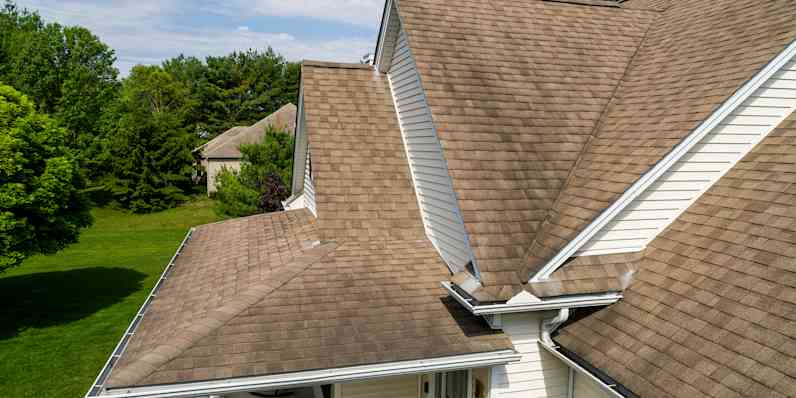
Cold weather during the late fall and winter seasons can loosen, crack, or lift shingles without it being obvious from the ground. Begin your spring roof maintenance by visually inspecting your shingles for missing pieces, curling edges, cracks, or dark stains; these are common signs of winter damage. Look closely for areas where granules appear worn away, since this can weaken your roof’s protective barrier. You should also check for algae streaks or moss growth, which can trap moisture and could impact the life of your shingles.

If you notice damaged shingles, it's important to have a trained roofing professional address repairs promptly. Small fixes in early spring help prevent more extensive and costly problems later in the year. If damage appears widespread, it may be time to consult a professional roofing contractor to determine whether roof repair or replacement is the best option.

Maintain Drainage with Clean Gutters

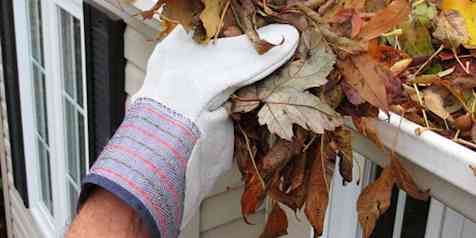
Gutters play a critical role in helping to protect your roof and home from water damage. Debris such as leaves and twigs can accumulate and block proper drainage. As part of your spring roof maintenance, clear out gutters and downspouts so that water can flow away from your roof and foundation.

While cleaning, inspect gutters for sagging sections, loose brackets, or signs of separation from the roofline. Check that downspouts are directing water several feet away from your home to help prevent foundation issues. Proper drainage helps prevent water from backing up under shingles, which can lead to leaks and wood rot over time.

Address Debris Removal and Overhanging Branches

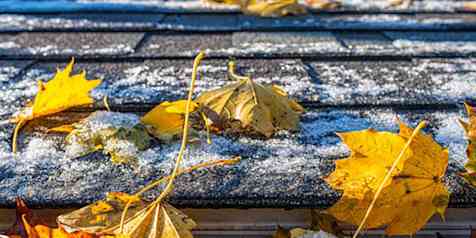
Trees can enhance your home’s curb appeal and provide valuable shade, but they are also a common source of roof debris. In spring, falling buds, seed pods, and leftover leaves from winter can collect on your roof and in valleys where water naturally flows. Over time, this buildup can trap moisture against roofing materials and increase the risk of moss, algae growth, or premature wear.

Take time to remove loose debris from the roof surface and trim back any overhanging branches. Branches that rub against shingles can cause damage during windy conditions, and limbs positioned too close to the roof may make it easier for pests to access your attic. Keeping the area around your roof clear helps extend the life of your roofing system and supports overall roof maintenance in spring.

For additional roof cleaning tips, view our guide on Cleaning Roof Shingles.

Review Flashing and Roof Penetrations

Take time to inspect the flashing and roof penetrations across your roof since these transition points are some of the most common sources of leaks. Flashing is the thin metal material installed around areas where your roof meets another surface, such as chimneys, skylights, and vertical walls. Its purpose is to direct water away from seams and prevent leaks. Roof penetrations are any features that pass through the roof surface, including vents, plumbing pipes, and exhaust outlets. Because these areas interrupt the uniform surface of the shingles, they can require extra attention during a spring roof inspection.

Be on the lookout for loose, rusted, or lifting flashing. Inspect for cracked or deteriorating pipe boots, caulking and seals around vents and pipes. Remember that even small gaps can allow water to seep beneath shingles and into your home. Addressing issues early helps prevent more extensive water damage and costly repairs.

Tackle Ventilation Before Temperatures Rise

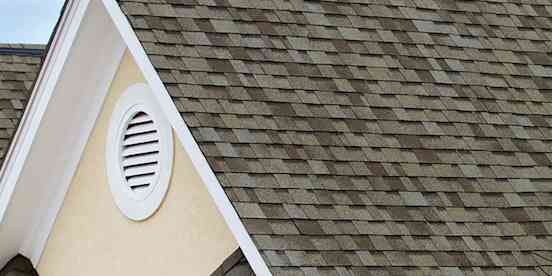
Do not forget the importance of your attic in the overall health of your roofing system. Proper ventilation, through a balanced system of intake and exhaust vents, allows fresh air to circulate through the attic, helping regulate temperature and control moisture levels. As part of your spring roof maintenance, inspect your attic for signs of mold, damp insulation, or poor airflow. Make sure vents are not blocked and that insulation is evenly distributed and dry.

Warmer weather can lead to increased attic heat and higher humidity levels, especially if ventilation is inadequate. Excess heat and moisture can weaken roofing materials from below, shorten the lifespan of shingles, and create conditions where mold can grow. Addressing ventilation concerns in early spring helps protect your roof before summer temperatures climb.

Spring Roofing Tips for Different Types of Roofs

In addition to general spring roof maintenance, certain roofing materials may require a few specific checks. Because materials expand, contract, and age differently, tailoring your inspection to your roof type can help prevent long-term damage.

  • Asphalt Shingle Roofs: Look for curling edges, cracked or missing shingles, granule loss, and dark algae streaks on asphalt shingle roofs. Spring is a good time to check for lifting caused by winter freeze-thaw cycles.
  • Metal Roofs: Inspect metal roofs for loose fasteners, separated seams, worn sealant around screws, and any signs of rust or coating damage. Take precautions to help make sure that panels remain securely attached during storm season.
  • Slate or Tile Roofs: Check for cracked, slipped, or missing tiles, especially after winter storms. Avoid walking directly on these materials, as slate and tile can break under pressure. Consider professional inspection if damage is suspected.

Additional Considerations for Residential Roof Maintenance in Spring

After completing your spring maintenance checklist, there are a few additional steps homeowners should consider, including when to call a professional. From addressing necessary spring roof repairs to preparing for storm season and scheduling a professional inspection, taking action early helps protect your home throughout the warmer months.

Spring Roof Repairs

Not every issue uncovered during a spring roof inspection requires major work, but small problems should never be ignored. If you notice widespread shingle deterioration, persistent leaks, sagging areas, or structural concerns, it may be time to consult a roofing professional. Addressing spring roof repairs promptly helps extend the life of your roofing system and prepares your home for heavy rain, wind, and rising summer temperatures.

Prepare for Spring Storms

Spring often brings heavy rain, strong winds, and sudden temperature changes. These changes in weather can put additional stress on your roof. After completing maintenance and addressing necessary repairs, take time to evaluate how your roof may perform during severe weather and identify any areas that could be vulnerable to storm damage. 

High winds can lift shingles, heavy rain can exploit small gaps, and hail can cause impact damage that is not always visible from the ground. Knowing the signs of storm damage and understanding what to look for after severe weather can help you respond quickly and help prevent more extensive problems.

Why You Should Consider a Spring Roof Inspection

While inspecting the roof from the ground can help you spot obvious concerns, a professional spring roof inspection provides a thorough evaluation of your roofing system. Experienced roofing contractors are trained to identify subtle signs of wear, storm damage, and structural concerns that may not be as easy for homeowners to spot themselves.

While most asphalt roofing systems are designed to be durable and relatively low maintenance, routine inspections are still essential. The Asphalt Roofing Manufacturers Association (ARMA) recommends examining your roof in both spring and fall to confirm it remains secure and functioning properly, particularly after exposure to winter weather, and ideally, scheduling a spring roof inspection after winter weather and before peak storm season.

Is Your Roof Ready for Spring?

Before the season gets underway, take a few minutes to run through our Spring Roof Maintenance Checklist to spot potential concerns early. And for peace of mind, consider reaching out to a trusted roofing contractor for a full inspection or help addressing any repairs - so you can head into spring confident your roof is ready for whatever comes next.

Quick Spring Roof Maintenance Checklist

As the National Roof Certification and Inspection Association (NRCIA) notes, spring is an essential time for roof inspection, checking for winter damage, and preparing for the upcoming storm season. Use this checklist to stay on track with your maintenance for roofing in spring and catch potential problems early:

  • Inspect shingles for cracks, curling, missing pieces, or granule loss
  • Check for algae streaks or moss growth
  • Clean gutters and confirm downspouts direct water away from the home
  • Remove debris from roof surfaces and valleys
  • Trim overhanging tree branches
  • Inspect flashing around chimneys, skylights, and vertical walls
  • Examine seals and caulking around vents and pipes
  • Check the attic for mold, moisture, or insulation concerns
  • Look for signs of storm damage
  • Schedule a professional spring roof inspection if needed

Find a Reliable Roofing Contractor

If your spring roof inspection reveals damage or areas of concern, consider contacting a qualified roofing professional. Find a roofing contractor that can assess your roof’s condition, recommend appropriate repairs, and help determine whether upgrades to underlayment, ventilation, or insulation may improve long-term performance.


Sources
Annual Home Roof Maintenance from Owens Corning Roofing
Fall and Winter Roof Preparation from Owens Corning Roofing
Why are there Dark Streaks on My Roof? from Owens Corning Roofing
Free Roof Inspection Checklist PDF from the National Roof Certification and Inspection Association (NRCIA)
Spring Roof Inspection a Must for Property Owners from the Asphalt Roofing Manufacturers Association (ARMA)
All About Your House: Maintenance Schedule: Spring from PBS (Public Broadcasting Station)
Signs of Storm Damage on Your Roof from Owens Corning Roofing
Share this page on:

Related Roof Maintenance Articles

Don’t stop at spring maintenance - stay ahead all year long. Dive into our how-to guides for cleaning your roof, preventing dark algae streaks, and keeping your shingles looking like new.

Roof Maintenance
Cleaning Asphalt Roof Shingles & Other Necessary Roof Maintenance Tips

Learn about cleaning roof shingles, seasonal items to check & other roof maintenance tips today. Find tips & tricks for how to maintain a roof over time.
Read more
Grey house with grey roofing shingles with half showing "before" and "after" cleaning the roof.

Roof Maintenance
Fall and Winter Roof Preparation

Fall is a great time to think about preparing your roof for winter. Check out this blog from Owens Corning Roofing for roof maintenance suggestions.
Read more
Close up view of shingles with snow and frost coating, and fall leaves.

roof-maintenance-cleaning
Annual Home Roof Maintenance

Follow this seasonal roof maintenance checklist to help keep your roof in shape year after year. Regular roof inspections can help you catch problems early.
Read more
gloved hand removing leaves from white gutters on a red roof