This is a cache of https://www.owenscorning.com/en-us/insulation/industrial/foamglas/cryo-spill. It is a snapshot of the page as it appeared on 2026-09-17T05:56:26.561+0000.
FOAMGLAS® Cryo Spill™ System | Owens Corning <strong>insulation</strong> Skip to Main Content

Cryogenic Liquid Spill Protection

In the event of a cryogenic liquid spill, the FOAMGLAS® Cryo Spill™ System can help reduce the rate of vaporization and provide thermal shock protection to concrete and steel. The Cryo Spill™ System is a passive response solution designed to help protect containment pits from damage during LNG spill containment or other cryogenic liquid spills. Its cellular glass insulation is a critical component of this protective cryogenic insulation system, shielding structural materials from thermal shock while limiting heat transfer into the liquid.
how it works

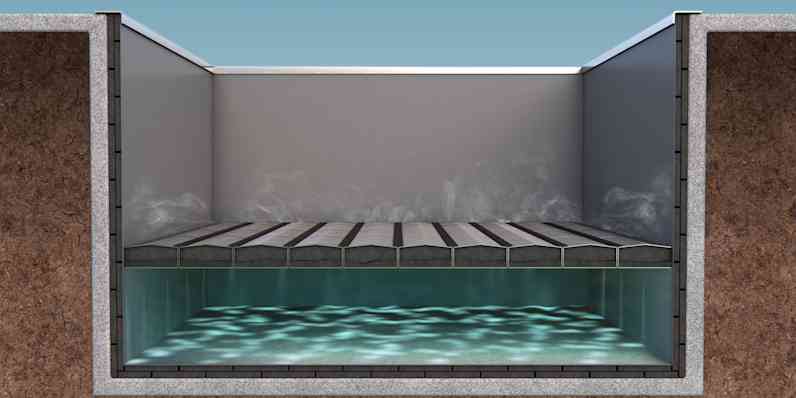
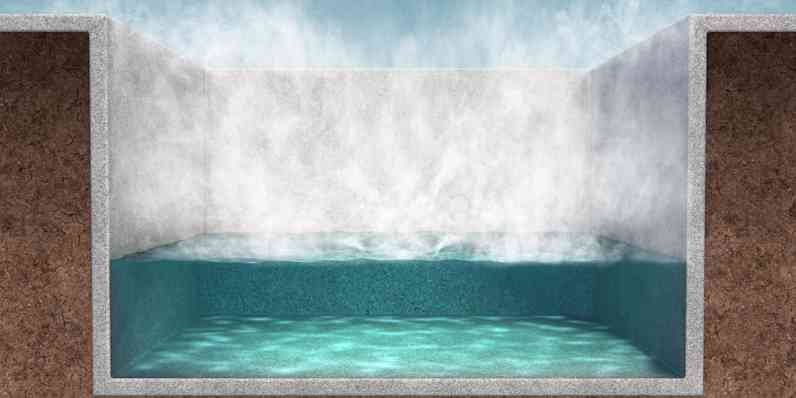
Unmitigated LNG Pit

In a cryogenic liquid spill, extremely cold liquid is exposed to various heat sources such as: warm air, solar radiation and warm ground/concrete.

The cold liquid begins to boil off as heat transfers into it, resulting in a flammable vapor cloud. These fumes create a fire hazard, and can be blown towards nearby ignition sources.

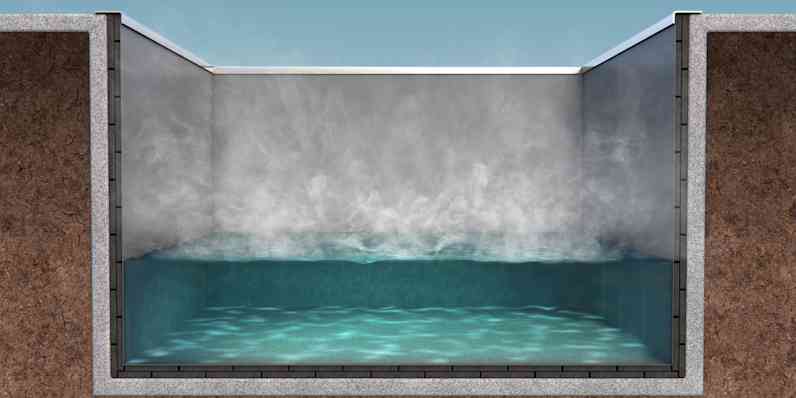
Effects of the Cryogenic insulation System

Heat into the liquid from the ground and concrete can be mitigated by installing the FOAMGLAS® Cryo Spill™ System, which can also help protect the concrete and steel from thermal shock.

LNG Pit with FOAMGLAS® Cryo Spill™ System

The Cryo Spill™ System can be combined with the PFS Gen 2 system to further reduce the rate of vaporization as well as provide pool fire suppression should a pool fire occur.

SYSTEM SOLUTIONS

FOAMGLAS® PFS™ System

Combine  the FOAMGLAS®CryoSpill™System with the FOAMGLAS® PFS™ System for optimal vaporization reduction and fire suppression.


TWO CRITICAL COMPONENTS OF CRYOGENIC LIQUID SPILL DEFENSE

Thermal Shock Protection

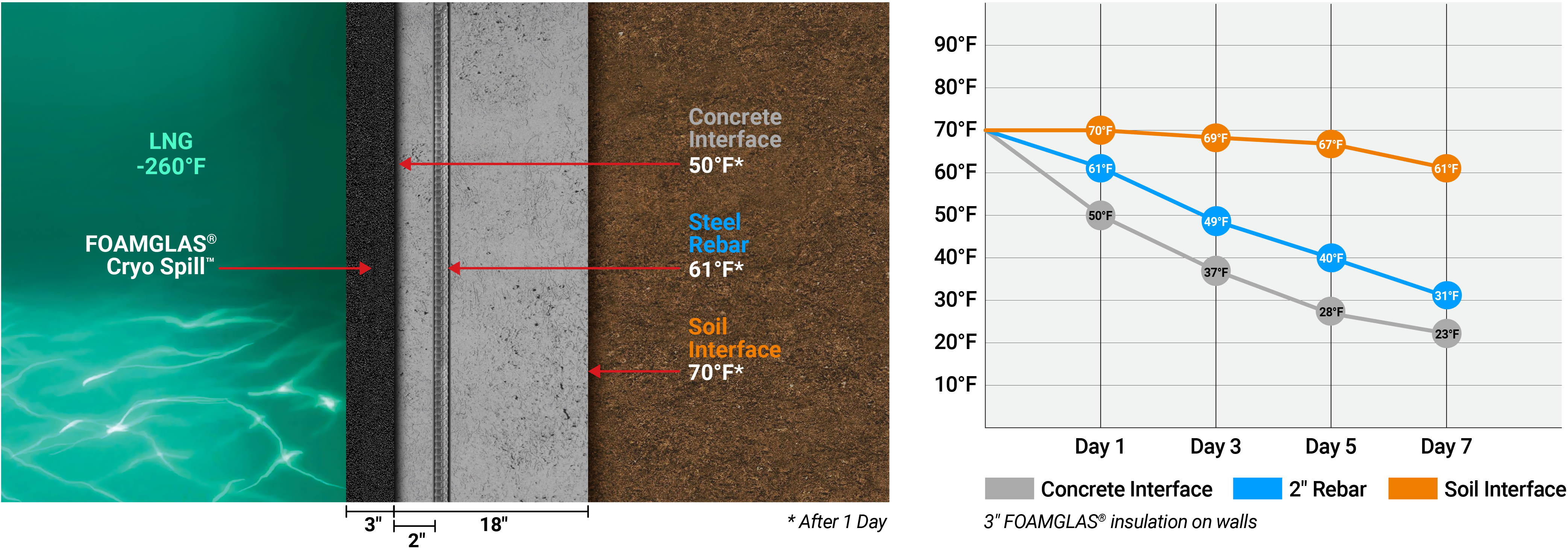
When rapidly exposed to cryogenic temperatures, both concrete and steel can experience structural changes that result in a reduction of load bearing capacity. At freezing temperatures, concrete can experience contraction of the solid network as well as expansion of freezing water within the structure, both of which can lead to microfractures. Likewise, support steel may become brittle at cryogenic temperatures, increasing the risk for fractures to occur. By protecting concrete walls from reaching cryogenic temperatures, traditional steel rebar may be viable for use.

Modeling shows that the FOAMGLAS® Cryo Spill™ System maintains stable wall temperatures even under extended exposure to LNG at –260°F. With 3 inches of FOAMGLAS® insulation, concrete and rebar remain well above critical thresholds, helping prevent cracking, brittleness, and loss of strength. By limiting rapid temperature change, the system helps preserve structural integrity and reduces the risk of thermal shock to containment pit walls.

Reduction of Vaporization 

When cryogenic liquid hydrocarbons spill (such as LNG) the liquid can vaporize and generate invisible, and potentially flammable clouds of gas. Water vapor generated during an LNG spill may indicate the presence of a flammable cloud of vaporized gas.This vapor can travel away from a pit or container before reaching its flammable concentration (5-15%) and ignite. These conditions make LNG pool fires a serious industry concern.

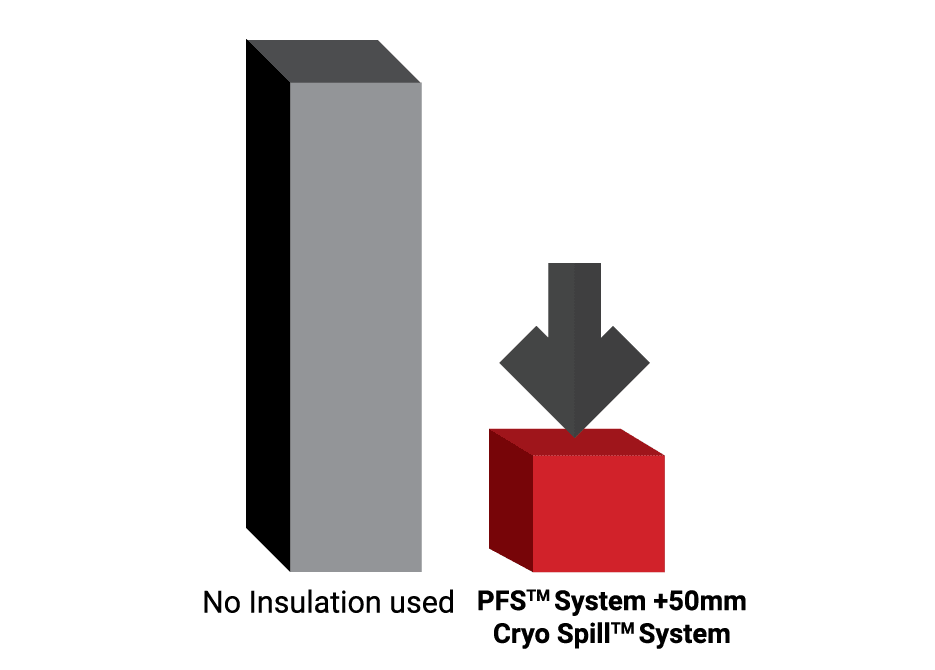
In a recent trial, an 88% reduction in LNG boil‑off was achieved using the PFS™ and Cryo Spill™ insulation Systems.


FOAMGLAS® Cryo Spill™ System

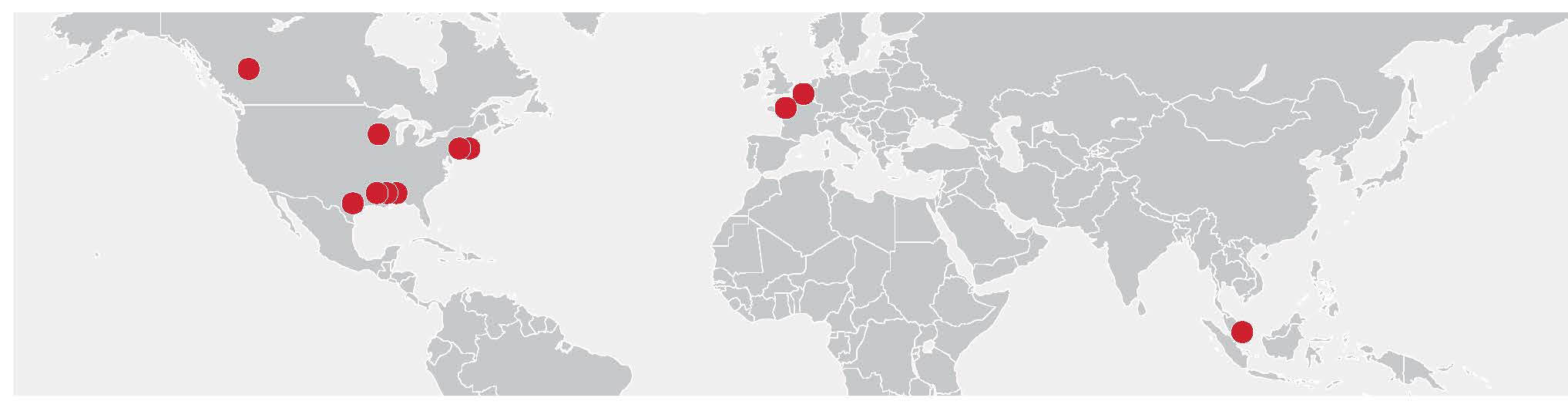
Installed Locations

Decades of history & performance

Industry Resources

Webinar: LNG Pool Fire Suppression & Cryogenic Liquid Spill Protection

Our expert team explores two major hazards LNG operators face every day: cryogenic spills and hydrocarbon pool fires.

Webinar: LNG Pool Fire Suppression & Cryogenic Liquid Spill Protection

Case Study: Cryogenic Liquid Spill Protection & LNG Pool Fire Suppression

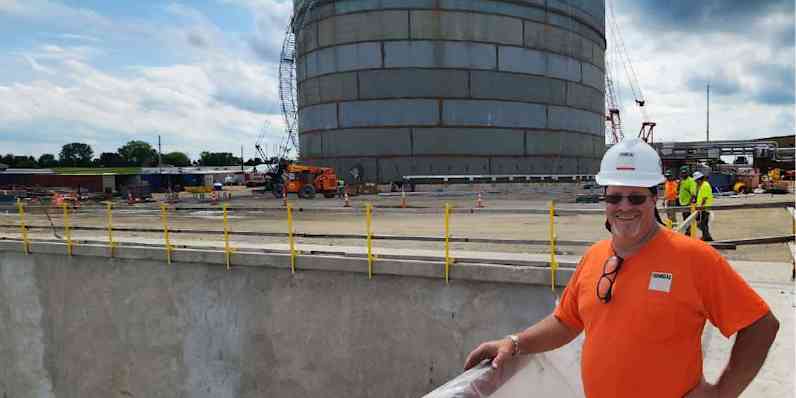
Located in southeastern, Wisconsin, U.S.A., Ixonia LNG is a peak sharing energy provider operated by Wisconsin Energy, and one of the state’s largest LNG facilities.

LNG POSTCARD FROM WISCONSIN: STRUCTURAL STRENGTH AND SUSTAINABILITY

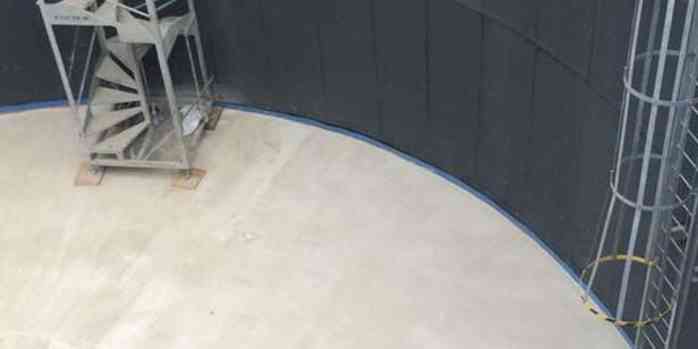
Impounding Basins at LNG Facility

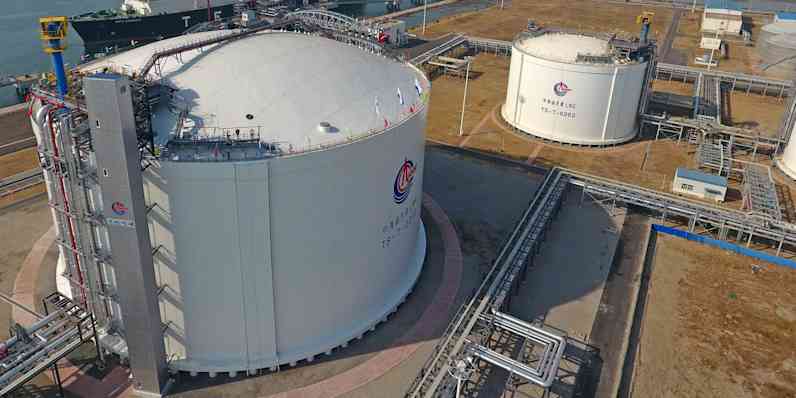
FOAMGLAS®insulation used for protection against cryogenic spillage for six LNG impounding basins at one of the largest liquefied natural gas terminals in France.

Impounding Basins at LNG Facility

Frequently Asked Questions

Have a question? We're here to help.