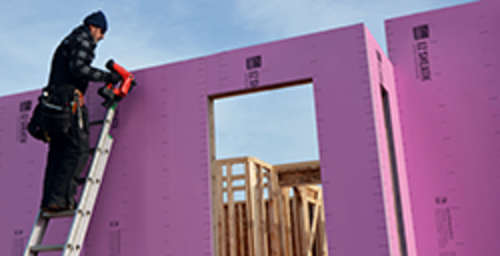
A properly insulated home, combined with properly sized and sealed ductwork, helps save money on your energy bills by reducing waste and optimizing the efficiency of your heating and cooling system. If you’ve been wondering how to lower energy bills, improving your home’s insulation and duct performance is a great place to start.
Adequate insulation serves as a barrier to heat flow. This barrier keeps your home warm in the winter and cool in the summer. The rules of thermodynamics tell us that heat always wants to mix with cool until the temperature difference no longer exists. During the heating season, when temperatures are colder outside the home, insulation provides a thermal envelope to help retain the heat inside the occupied space. During the cooling season, insulation is an effective tool in keeping the hot air outside the home and cooled air inside.
Your ductwork can also benefit from insulation. Duct insulation helps maintain the temperature of the air inside the ducts, quiets the sound of your air handling system, and helps reduce room-to-room noise through your ducts. All of these benefits of residential HVAC duct insulation help make your home a quiet, comfortable place to be. There are several ways to create an insulated duct system. You can add insulation to metal ducts by adding a separate insulating liner or wrap. You can also replace or supplement metal ductwork with an all-in-one product, such as insulated duct board or flexible insulated duct. Consult with your HVAC contractor to determine the best solution for your specific needs.