







This is a cache of https://www.owenscorning.com/en-us/roofing/blog/algae-resistant-shingles. It is a snapshot of the page as it appeared on 2026-09-17T08:38:34.911+0000.
How to Find Algae-Resistant Roof Shingles | Owens Corning Roof | Owens Corning Roofing Skip to Main Content
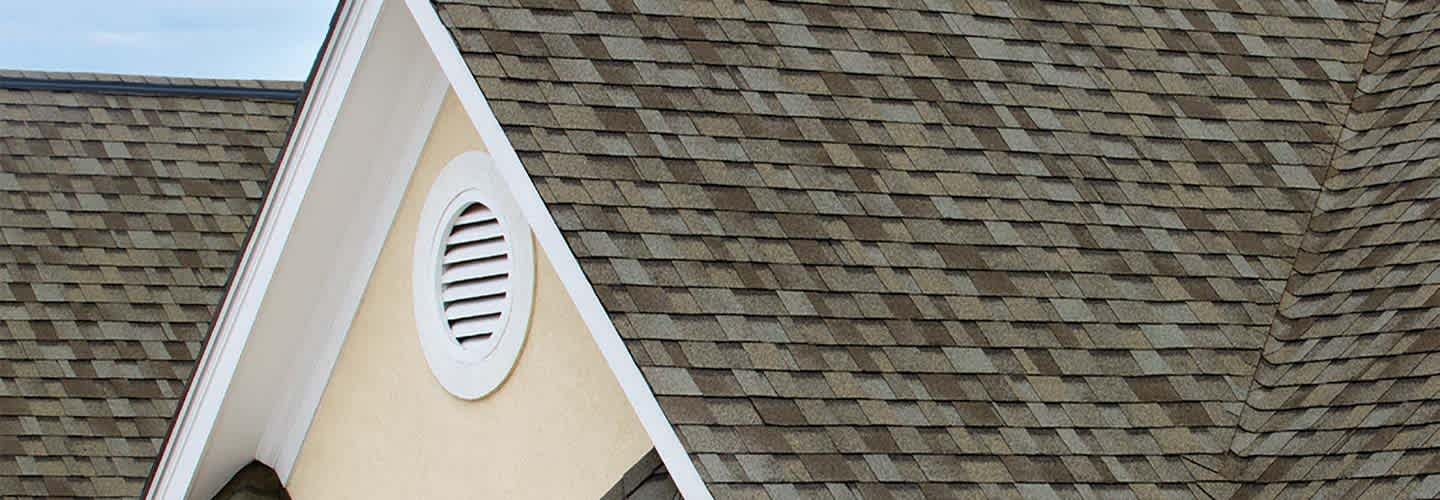
Closeup of a roof peak with Owens Corning Algae Resistant shingles.

What Are Algae-Resistant Roof Shingles and How Can You Find Them?

Written By Owens Corning RoofingDate Published 2026-05-15

How to Find Algae-Resistant Roof Shingles

Dark streaks on a roof can make it look like the surface is dirty or worn. In many cases, though, those streaks are caused by algae rather than dirt. These roof dark streaks are a common issue in many climates and can develop gradually over time. As the streaks spread, they can affect a home’s curb appeal and make a roof look older than it is. While cleaning can help temporarily, it doesn’t stop the problem from coming back. Choosing algae-resistant roof shingles is one of the most effective ways to prevent those streaks long-term. Understanding what causes them can help when comparing algae-resistant roofing options.
What is Roof Algae?

Roof algae is a common type of airborne growth that can develop on roofing materials over time. As the Asphalt Manufacturing Roofing Association (ARMA) notes, the most common species found on roofs is a blue-green algae called Gloeocapsa magma, a type of microscopic bacteria that spreads through airborne particles carried by wind and rain. As the algae lands on the roof and grows, it creates dark staining that can make a roof appear brown or black, often in streaks or across larger sections of the roof.

Algae discoloration is different from moss or debris, which usually appear in smaller, more localized areas. Gloeocapsa magma gained notoriety in the Southeastern United States in the 1990s, particularly in the Gulf States and along the Eastern Seaboard, but it has since spread throughout much of the United States and Canada.

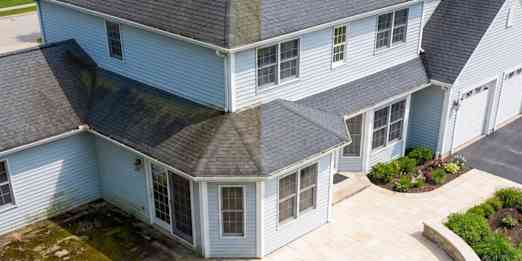
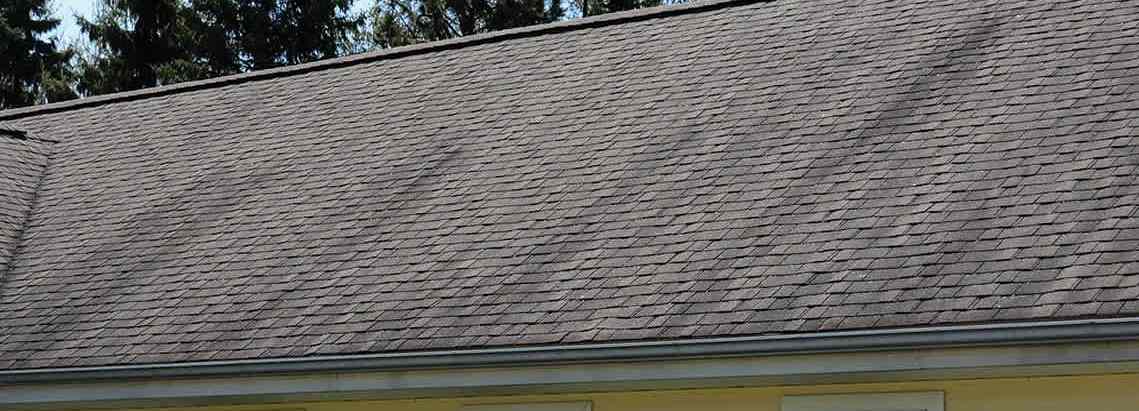
Brown asphalt shingles with dark algae streaks.

Why Does This Algae Appear on Roofs?

Roof algae tends to develop in environments where moisture, humidity, and limited sunlight are present. Areas of a roof that are shaded by trees or face north often stay damp longer, creating ideal conditions for algae growth. Over time, airborne particles can settle on the roof and begin to spread the algae discoloration across the surface. Even durable roofing materials can collect dust and debris over time, creating conditions where algae and other biological growth can develop.

This type of discoloration is common in warm, humid regions, but it can appear in almost any climate and can grow on different roofing materials and types of shingles.

Algae vs. Moss: What’s the Difference?

Algae and moss are often confused, but they appear differently on a roof. Algae typically shows up as dark green or black streaks or staining across the surface of shingles. Moss, on the other hand, appears as thicker green patches that grow in more concentrated areas. While algae mainly affects the appearance of a roof, moss can hold moisture against the surface and may lead to more serious issues over time if left untreated.

Do Moss Resistant Roof Shingles Really Exist?

Some roofing products are marketed as moss resistant roof shingles, but are primarily designed to help resist algae growth rather than completely prevent moss. Algae-resistant shingles are not truly moss-proof. Algae and moss require slightly different procedures to prevent or to remove. Moss is more closely tied to environmental conditions like moisture and shade, rather than the shingles themselves. Maintaining a clean roof takes some effort, but it is one of the most important steps to be taken to prevent issues in the future.

Cleaning Algae Off a Roof

Algae can be removed from a roof, but cleaning is typically a short-term solution rather than a permanent fix. Safe cleaning methods usually involve applying a cleaning solution to the roof and rinsing it away with low-pressure water. High-pressure washing is generally not recommended for asphalt shingles. It can strip away protective granules and loosen roof shingles, which can shorten the lifespan of the roof. Because of these risks, it is recommended that homeowners choose to work with a licensed/certified roofing professional, especially if the roof is steep, heavily stained, or difficult to access safely. In many cases, cleaning can improve the look of a roof, but longer-term prevention often comes down to choosing materials designed to resist algae growth.

Be sure to review our guide on cleaning roof shingles and other annual maintenance.

Roof Staining vs. Damage

In most cases, algae staining is a cosmetic issue rather than a sign of immediate roof damage. The dark streaks affect how a roof looks, damaging its curb appeal more than its structure. However, as algae builds up over time, it can contribute to gradual wear and may affect how a roof performs long-term. The combination of aesthetics and wear and tear is why many homeowners look for ways to help prevent algae growth rather than relying on cleaning alone.

Roof Algae Prevention

While cleaning can improve the appearance of a roof, it doesn’t address the conditions that allow algae to return. In many cases, repeated cleaning becomes part of ongoing annual maintenance rather than a long-term solution for roof algae prevention.

Algae-resistant roof shingles are designed to help prevent this type of staining from developing in the first place. For homeowners dealing with recurring streaks, replacing aging shingles with algae-resistant options can be a more effective long-term approach.

What Makes Shingles Algae Resistant?

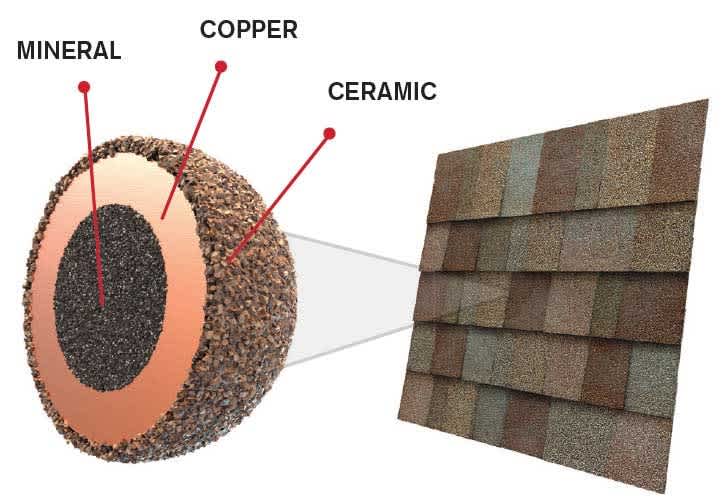
Algae-resistant shingles are manufactured with granules that help inhibit algae growth over time. Many of these shingles include copper-infused granules, which release small amounts of copper when exposed to moisture. Because metals like zinc or copper help inhibit the growth of algae and moss, this release of copper helps prevent algae from growing and spreading across the roof surface. The effectiveness of this shingle protection can vary depending on the product, but many algae-resistant shingles are designed to provide long-lasting performance and may be backed by manufacturer warranties.

3D rendering of shingle copper granules, showing the layers of mineral, copper, and ceramic.

How to Find Algae-Resistant Roof Shingles

  • When comparing roofing options, it can help to look for products specifically designed to resist algae growth. Be sure to look for:
  • Product descriptions that reference algae resistance or protective technologies
  • Shingles that include copper or similar metal materials designed to inhibit algae growth
  • Warranty details that outline algae resistance coverage

Algae-resistant shingles may cost slightly more than standard shingles, so working with a qualified roofing contractor can provide additional guidance when selecting materials that are suited to the local climate and roof conditions.

Do Owens Corning Shingles Resist Algae?

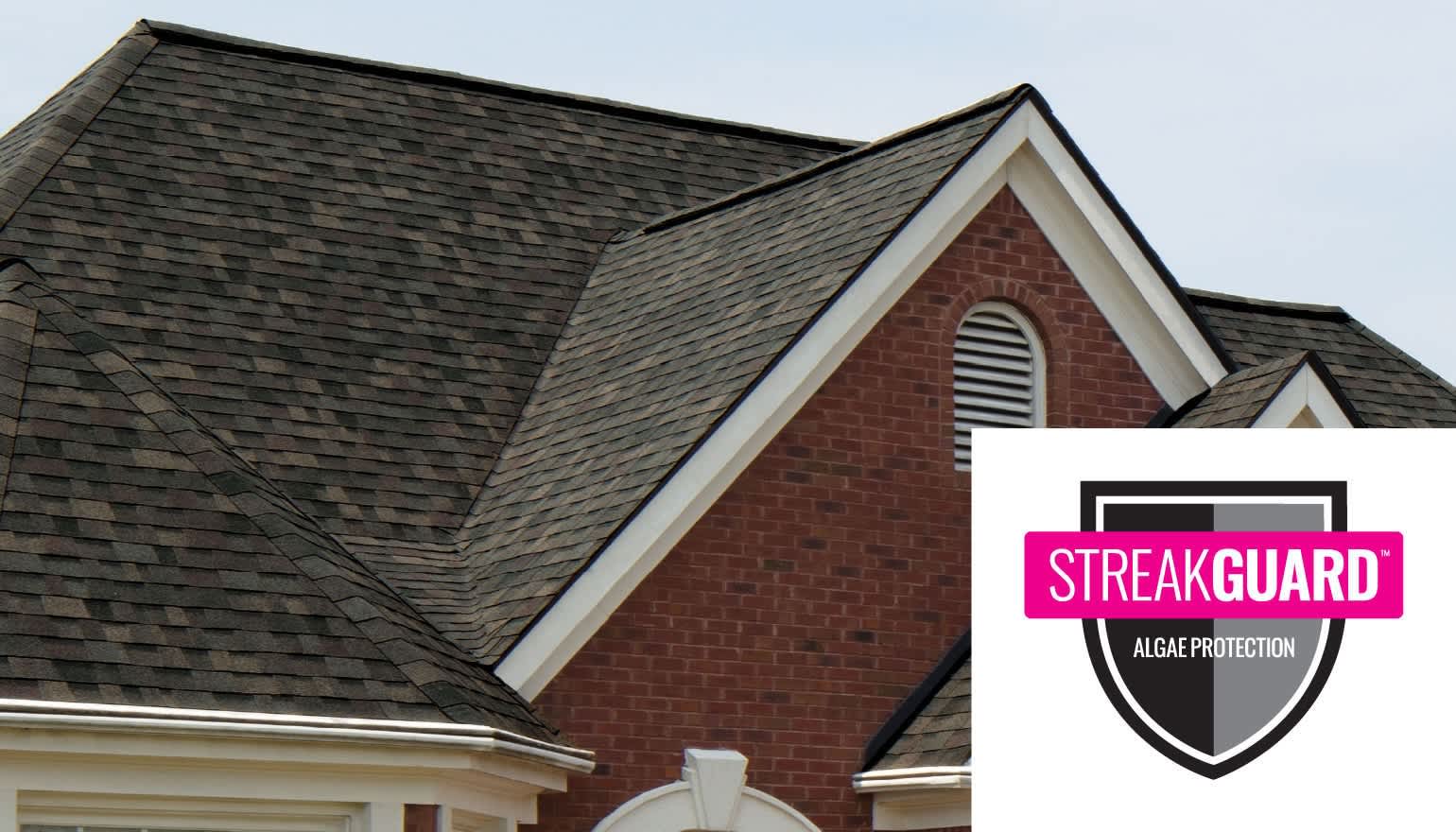
Owens Corning algae-resistant shingles feature StreakGuard® Protection, an algae-inhibiting technology that helps reduce the appearance of dark streaks over time. Layers of material work together to protect the shingle’s surface, with ceramic-coated granules forming the outer layer and copper embedded within to help prevent algae growth from the start. Many of these roofing shingles also include a 25-year Algae Resistance Limited Warranty, depending on the product line. Options with this protection include the Oakridge® Series, duration® Series, Woodcrest®, and Woodmoor® shingles.

Steep slope roof on a red brick home, and Owens Corning TruDefinition Duration Designer shingles in Black Sable, and the Streakguard logo.

A Long-Term, Effective Approach to Roof Algae Prevention

Asphalt shingles with algae-resistant mineral granules are designed to help reduce Gloeocapsa magma growth by limiting the conditions where it can develop. These shingles, including those with StreakGuard® technology, incorporate materials that help inhibit algae growth as the roof is exposed to moisture.

For homeowners dealing with recurring streaks, selecting algae-resistant shingles and working with a qualified roofing contractor can provide a more durable solution based on the home’s environment and roofing needs.

Sources:
2. Streakguard Algae Protection landing page from Owens Corning
3. Algae Discoloration of Roofs from the Asphalt Roofing Manufacturer’s Association (ARMA)
5. Maintaining a moss-free roof takes some effort from Oregon State University
6. Weathering of Roofing Materials-An Overview from the U.S. Department of Energy
Office of Scientific and Technical Information (OSTI)
Share this page on:

Related Articles

roof-maintenance-cleaning
Why are there Dark Streaks on My Roof?

Algae growth may cause discoloration resulting in dark streaks on the rooftop. Learn more about what causes dark streaks on a roof and how to address the issue.
Read more
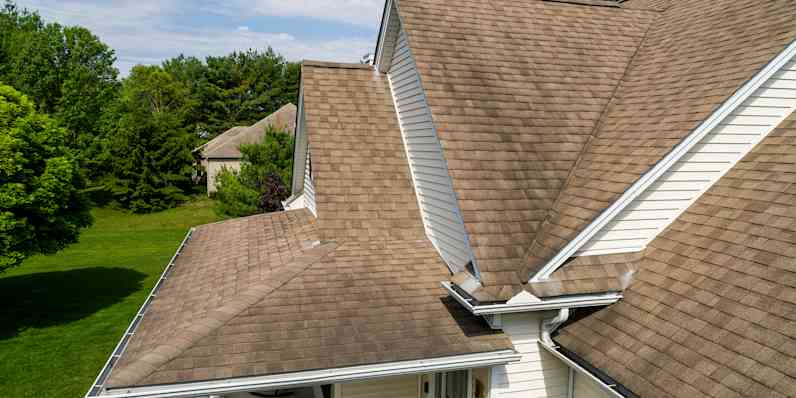
Medium tan rooftop with dark coloration on the shingles.

roof-replacement-repair
Do I Need a New Roof?

Learn more about some of the warning signs of an aging or damaged roof to help you determine if you need a new roof.
Read more
Photo of a man and woman standing facing their house, looking at their roof

Roof Maintenance
Cleaning Asphalt Roof Shingles & Other Necessary Roof Maintenance Tips

Learn about cleaning roof shingles, seasonal items to check & other roof maintenance tips today. Find tips & tricks for how to maintain a roof over time.
Read more
Grey house with grey roofing shingles with half showing "before" and "after" cleaning the roof.