- Industrial
- Blog
Data Center Insulation: Supporting Cooling Systems & Thermal Performance
Data centers power many of the digital services people rely on every day, from online banking and streaming platforms to enterprise applications and artificial intelligence (AI) tools. The demand for data processing and cloud computing storage is growing at a rapid pace; data centers are becoming larger, more powerful, and increasingly energy-intensive. As demand continues to grow, so does the need for efficient infrastructure. According to research published by Lawrence Berkeley National Laboratory, data centers consumed approximately 4.4% of all U.S. electricity in 2023 and could account for as much as 12% by 2028.
Data centers generate significant amounts of heat from servers, equipment, and other critical systems that operate around the clock. According to the Department of Energy, they are one of the most energy-intensive building types, consuming 10 to 50 times the energy per floor space of a typical commercial office building. For these facilities to maintain performance and reliability, data centers rely on increasingly sophisticated cooling systems to help manage the heat generated by servers and other critical equipment.
Insulation plays a significant role in supporting these cooling processes. By helping reduce unwanted heat gain and maintain consistent temperatures, data center insulation can improve cooling system efficiency and support long-term thermal performance.
Why Do Data Centers Need Insulation?
As data centers grow in size and computing capacity, even small improvements in efficiency can have a meaningful impact on long-term operating costs and overall facility performance. While cooling systems are responsible for managing the heat generated by servers and other critical equipment, insulation helps those systems operate more effectively by maintaining consistent temperatures and supporting efficient operation.
Assisting with PUE Goals
Because cooling systems operate continuously, efficiency can have a significant impact on overall data center performance. Facilities track Power Usage Effectiveness (PUE), a standard metric developed by The Green Grid, a nonprofit industry consortium that collaborates to improve the resource efficiency of data centers. This global standard measures how efficiently a data center uses energy. Improving cooling system efficiency with insulation can help support PUE goals while reducing the energy required to maintain operating conditions.
Maintaining Reliable Operation
Insulation also helps support reliable operation. By maintaining consistent temperatures and helping control condensation within cooling systems, insulation contributes to the long-term performance of the infrastructure that keeps data centers running.
Supporting Long-Term Performance
As cooling technologies continue to evolve, data centers must be designed to support changing performance demands. Properly insulated systems can help facilities maintain efficiency, reliability, and thermal performance over time while supporting future cooling infrastructure and technology upgrades.
Together, these benefits make data center insulation a crucial part of helping these facilities operate efficiently today, while preparing for future performance demands.
Common Data Center Cooling Solutions
Understanding the role insulation plays in data center performance starts with understanding the cooling systems it supports. There are several types of data center cooling systems and a variety of system approaches, each designed to manage heat and maintain reliable operating conditions.
As with many large facilities, HVAC equipment, air handlers, and ductwork may help distribute cooled air throughout the data center. Depending on the facility design, data centers may use air cooling, chilled water cooling systems, liquid cooling systems, direct expansion systems, or a combination of approaches to manage heat generated by computing equipment. While each cooling strategy has unique design considerations, this article focuses primarily on chilled water cooling infrastructure because chilled water piping is one of the most important insulation applications in many modern data centers.
Chilled Water Cooling Systems
Chilled water cooling systems circulate chilled water through facility piping to air handlers, cooling coils, heat exchangers, or other cooling equipment that helps remove heat from the data center environment. These systems are commonly used to support large cooling loads and maintain consistent operating conditions.
Liquid Cooling Systems
Liquid cooling systems use a liquid heat-transfermedium closer to the heat-generating IT equipment, such as server racks, processors, or immersion systems. Technologies such as direct-to-chip cooling and immersion cooling are increasingly used to support high-density computing and AI workloads where traditional air cooling may be less effective.
As cooling technologies continue to evolve, insulation remains an important part of supporting the efficiency and performance of these systems. One of the most critical insulation applications within modern data centers is chilled water pipe insulation.
Why Chilled Water Pipe Insulation Matters for Data Centers
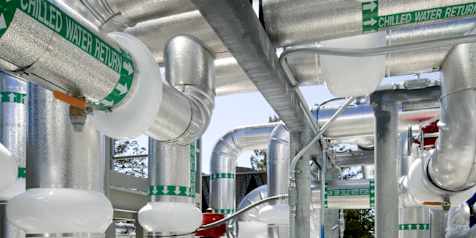
Modern data centers rely heavily on chilled water systems to help manage the heat generated by servers and other computing equipment. Proper thermal insulation for chilled water pipes helps keep chilled water at the desired temperature as it moves throughout the facility, supporting cooling system efficiency, consistent thermal performance, and overall facility operation.
Data Center Insulation Performance Considerations
Data center cooling systems operate continuously, placing significant demands on insulation performance. When evaluating insulation for chilled water piping and other components of the infrastructure, factors such as durability, condensation control, and the ability to support larger cooling systems can all play an important role in long-term facility performance.
Durability and Resilience
Data centers represent significant long-term investments, making durability and reliability important considerations when selecting insulation systems. The materials used throughout the facility must be capable of supporting continuous operation while maintaining performance over time. Selecting insulation that can withstand demanding conditions and continue performing as intended helps support long-term facility goals.
The Importance of Condensation Control
Moisture control is one of the most important considerations for chilled water pipe insulation. When cold piping is exposed to warm and humid air, vapor can move toward the pipe, and condensation can form if the system is not properly insulated.
Over time, wet insulation can lose thermal performance, making it harder for the system to maintain consistent temperatures and increasing the risk of moisture-related concerns. For data centers where cooling systems operate continuously, a properly designed and installed insulation system can help reduce condensation risk and support long-term performance.
The Need for Larger Piping Systems
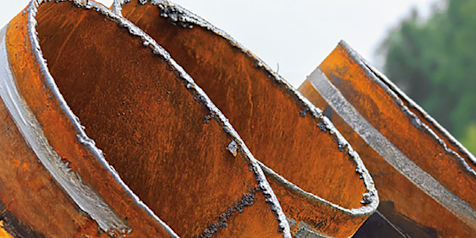
Many data centers already rely on large and specialty pipe sizes to support their cooling systems. As facilities continue to adopt liquid cooling technologies and support more powerful processors and AI workloads, the demand for data center pipe insulation capable of supporting larger piping systems is expected to grow. These systems help deliver the volumes of chilled water needed to support higher cooling demands, making insulation increasingly important for maintaining thermal performance, controlling condensation, and supporting reliable operation over the long term.
Choosing the Right Insulation Solution for Data Centers
Modern data centers utilize a variety of insulation materials depending on the application, environmental conditions, and performance requirements. Cooling infrastructure, building envelope assemblies, fire protection systems, and mechanical equipment can each place different demands on insulation performance. As a result, selecting the right insulation solution often depends on factors such as moisture exposure, durability requirements, thermal performance goals, and facility design.
Fiberglass Insulation for Data Centers
Fiberglass insulation is commonly used throughout data center HVAC systems, mechanical equipment, and piping applications. These solutions help support thermal efficiency while offering flexibility across a wide range of system designs. When pipe insulation is not available for larger pipes, flexible insulation wraps can be utilized.
Fiberglass pipe insulation is available in a variety of standard, large-diameter, and specialty sizes to accommodate the evolving pipe sizes needed for cooling requirements. However, it is important to check with fiberglass pipe manufacturers, as not all make specialty sizes.
Cellular Glass Insulation for Data Centers
Cellular glass insulation is often selected for demanding applications where moisture resistance, durability, and long-term thermal performance are critical. With its closed-cell structure, cellular glass helps resist water absorption, making it well suited for chilled water infrastructure, below-ambient service, and high-humidity environments where condensation control is essential. It can also support exterior piping and below-grade applications where exposure to moisture may increase the need for a durable, moisture-resistant insulation solution.
Beyond Cooling Infrastructure
Insulation also supports the performance of the data center building itself. Mineral wool insulation can help address fire protection requirements in critical areas, while continuous insulation systems can contribute to building envelope performance and overall energy efficiency. Additional insulation solutions may also be used to support acoustic control, air sealing, and other facility performance goals.
Insulating Data Centers with a Whole Building Approach
Because data centers contain a wide range of applications, many facilities benefit from utilizing multiple insulation technologies throughout the building. Piping systems, mechanical equipment, exterior assemblies, and fire-rated applications often have different performance requirements. Taking a system-based approach to insulating data centers considers the unique requirements of each application and can help support overall facility performance and long-term operational goals.
Why Owens Corning for Data Center Insulation
Owens Corning® offers a broad portfolio of insulation solutions designed to support modern data center construction. From cooling infrastructure and mechanical systems to fire protection and building envelope applications, Owens Corning products can help address both the current and future needs of rapidly evolving data center facilities.
Fiberglas™ insulation solutions help support thermal efficiency across piping systems, HVAC applications, ductwork, and mechanical equipment. Contractor-friendly installation features can help support efficient project execution for rapidly growing data center projects. With standard pipe insulation, specialty sizes ranging from 25 to 36 inches in diameter, large-diameter offerings, and metric sizing options available, these products can support the evolving cooling infrastructure requirements of modern data centers. For larger pipe sizes or when wrap type insulations make sense, the Fiberglas™ FLEXWRAP® pipe and tank insulation wrap can solve the need.
FOAMGLAS® cellular glass insulation is often selected for applications where moisture resistance, durability, and long-term thermal performance are critical considerations. Its lightweight, rigid material and closed-cell construction help prevent water absorption, making it well suited for chilled water systems, exterior piping, and below-grade applications where reliability is critical.
Beyond cooling infrastructure and pipe insulation, Owens Corning offers additional innovative insulation solutions that can help support perimeter fire containment, building envelope performance, acoustic control, and other facility requirements. As data centers continue to evolve, these applications may play an increasingly important role alongside traditional cooling system insulation.
The Future of Data Center Insulation
Data centers are long-term infrastructure investments that must remain adaptable as technology changes and consumer needs grow. According to the U.S. Energy Information Administration (EIA), commercial computing is projected to become the largest end use of electricity in commercial buildings by 2050, surpassing lighting, ventilation, and space cooling. The growth of AI workloads and higher-density computing environments is already influencing how facilities are designed and operated.
Future data center insulation needs are likely to extend beyond cooling infrastructure. As data centers become large and increasingly integrated into surrounding communities, the overall building performance, water usage, fire protection, air sealing, and acoustic control will likely become essential design considerations.
Planning for these evolving requirements can help facilities remain adaptable as performance expectations continue to change. Insulation solutions that support both cooling infrastructure and overall building performance can help data centers meet evolving operational, efficiency, and community expectations.
Related Articles
Moisture • Industrial • WebinarChilled Water Systems Webinar
Moisture • Industrial • BlogSpecifying Insulation to Support Longevity in Chilled Water Systems
Moisture • Industrial • BlogDesigning chilled water insulation systems to mitigate regional conditions