
This is a cache of https://www.owenscorning.com/en-us/insulation/insulation-solutions-suite/article/combustible-liquids-in-insulation. It is a snapshot of the page as it appeared on 2026-01-31T11:30:07.306+0000.
Combustible Liquids in Insulation | Owens Corning Insulation
Skip to main content
Combustible liquids in Insulation
  • Fire
  • Industrial
  • Blog

Combustible Liquids in Insulation

Date Published 2024-05-15

Blog in Brief

Risk of fire increases when combustible liquids, such as oils and heat transfer fluids, are absorbed by insulation materials (also called “wicking”). Even certain non-combustible insulation materials can absorb combustible liquids and, consequently, contribute to the spreading of a fire.

Under certain conditions, combustible liquids can ignite even without the presence of an open flame. Slow oxidation may result in temperature buildup within saturated insulation, and, finally, combustion. As a result, system engineers often specify non-absorptive, non-combustible cellular glass insulation systems for applications with a risk of leaking organic fluids.

Cellular glass insulation is also recommended for low temperature applications. One reason is to minimize the potential danger of condensed gases that would otherwise be soaked up by absorbent insulations, should they escape the system.

Possible problems

Absorbent insulation materials can create a serious fire hazard due to their ability to retain large quantities of combustible liquids when a system leak occurs. Insulation that becomes saturated in this manner can become a serious threat to personnel, property and production.

Should a combustible liquid be allowed to leak into an absorbent insulation, it can permeate throughout the thickness and sit idly as a dormant mass of fuel. Due to the presence of insulation jacketing, this risk can often go undetected for months or even years, until a source of ignition is introduced to the environment, which can lead to explosive combustion of the saturated insulation.

Fires caused by absorption of flammable liquids into insulation have occurred with a variety of liquids, such as lubricating oil and hydraulic fluid in power stations and ship engine rooms. Other potentially dangerous liquids and gases include heat transfer fluids, chemical intermediates, resins, solvents, vegetable oils, silicones, fatty acids, explosives and oxidizers.
The danger posed by auto-ignition

When a reactive fluid becomes suspended in a porous insulation material, the fluid’s ratio of exposed surface area to volume increases dramatically. This creates a larger interface between the fluid and oxygen within the air, which can increase the rate at which oxidation takes place. Oxidation refers to a chemical reaction in which a material loses electrons. For many heat transfer fluids, this oxidation can begin occurring around 500°F (260°C),

Many heat transfer fluids have auto-ignition temperatures near or in excess of 1000°F (538°C). However, through oxidation, they can decompose into various by-products. Some of these by-products may exhibit new auto-ignition temperatures that are far lower than the original fluid. This means that oxidation has the potential to lower the temperature threshold at which auto-ignition becomes a concern.

Additionally, oxidation is an exothermic reaction, meaning it generates heat as it takes place. Normally this heat generated is quickly lost to the surroundings. However, when occurring within the low thermal conductivity of insulation materials, it can can lead to a significant and slow heat buildup within the thickness of the saturated insulation. This heat generated, paired with a potentially lower auto-ignition point as described above, can yield a scenario primed for ignition to occur. Should the insulation jacketing be removed or opened up at some point in the future, such as for maintenance activities, the fluid would be exposed to an abundant supply of new oxygen. In the worst-case scenarios, this could lead to auto-ignition of the saturated insulation.

Oils used for lubrication, fuel and hydraulics can cause similar auto-ignition actions. The auto-ignition temperatures for oils, however, are much lower than those for heat transfer fluids. In fact, studies of oil-soaked lagging fires have found occurrences of ignition at operating temperatures as low as 176°F (80°C). Despite this, many specifiers are less aware of the potential dangers with oils as compared to transfer fluids.

Lower auto-ignition temperatures also occur with gases. For example, ethylene oxide, which normally has an ignition point of 1060°F (571°C), was found to have a much lower ignition point after being absorbed by porous insulation materials.1
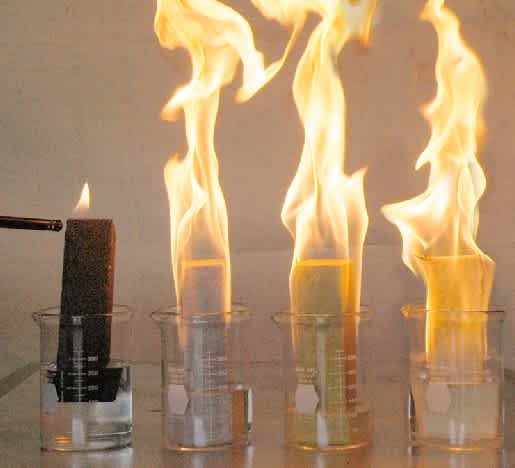
Wicking test with calcium silicate, microporous silicate and perlite.

Leak sources

Most major leaks result from component failure. Expansion joints, leaky valves, equipment flanges and areas where insulation is in contact with flat surfaces are among the critical points that collect and absorb leaked chemicals.

These areas should receive extra attention when insulating heat transfer pipework. System engineers recommend always using cellular glass insulation for these critical points.

Non-combustibility

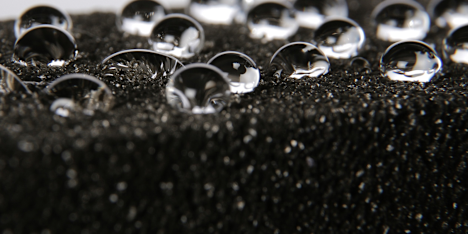
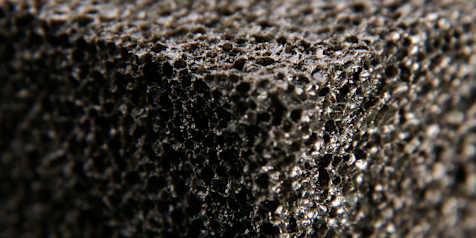
Many manufacturers of heat transfer fluids specify FOAMGLAS® cellular glass insulation material where organic leakage and contamination are possible. The non-absorbent, inorganic, closed-cell nature of cellular glass insulation prevents the absorption of liquid and vapor organics and eliminates the risk of auto-ignition within the insulation due to leakage.

Above Ambient Systems

Heat transfer fluids are generally used at 350 -750°F (175 -400°C), requiring thermal shock-resistant insulation systems. FOAMGLAS® insulation systems can be configured specifically for use with above ambient temperature applications. Our systems may include multiple layer configurations, coatings and other components that are resistant to thermal cracking.

Prefabrication and ease of inspection

For both vessel and pipeline applications, FOAMGLAS®cellular glass insulation can be prefabricated, including pre-applied finishes, for efficient, time-saving installation and inspection.
References
1 Britton, L G. Spontaneous fires in insulation. United States: N. p., 1991. Web. doi:10.1002/prsb.720100108.

The information contained herein is accurate and reliable to the best of our knowledge. But, because Pittsburgh Corning LLC has no control over installation workmanship, accessory materials or conditions of application, NO EXPRESSED OR IMPLIED WARRANTY OF ANY KIND, INCLUDING THOSE OF MERCHANTABILITY OR FITNESS FOR A PARTICULAR PURPOSE, IS MADE as to the performance of an installation containing Pittsburgh Corning LLC products. In no event shall Pittsburgh Corning LLC be liable for any damages arising because of product failure, whether incidental, special, consequential or punitive, regardless of the theory of liability upon which any such damages are claimed. Pittsburgh Corning LLC provides written warranties for many of its products, and such warranties take precedence over the statements contained herein.

© 2024 Owens Corning. All Rights Reserved.
Share this page on:

Related Articles

Overhead view city park

Sustainability • Commercial • BlogRegulations and roofs: Next generation insulation and sustainable VRA design

Vegetative roof assemblies (VRAs) look for environmentally-friendly building materials with high compressive strength and R-value maintenance when moisture is present. Redesigned XPS insulation has a lower GWP, cuts HFC-134a use and maintains performance in wet environments.
Read more
Contractor cutting FOAMULAR XPS insulation for installation

Sustainability • Commercial • BlogRedesigning insulation for improved sustainability, carbon footprint

Reformulated XPS insulation was designed to maintain performance attributes while lowering the material’s global warming potential (GWP) and improved sustainability.
Read more
Looking up through trees at clear blue skies in a city

Sustainability • Commercial • BlogBreaking Down the Claims: A Look at Product Labels and Certifications

Multiple building materials carry labels or certifications indicating that they have been generated in a specific way intended to produce an improved health or environmental outcome. However, it can be challenging to keep track of what each label means.
Read more
Two sets of hands. One holding a tree and the other holding a cityscape showing the importance of sustainability in urban design.

Sustainability • Commercial • BlogReviewing the ins and outs of the LEED program
The LEED framework – now v4.1 – was created to support and guide green building efforts. The system focuses on construction practices, material manufacture and efficiency.
Read more

Fire • Commercial • BlogMineral Wool Wall Insulation & Fire Safety

Commercial wall insulation is key to fire safety. See how Thermafiber® mineral wool delivers thermal performance, code compliance, and long-term protection.
Read more

Moisture • Commercial • Blog7 Key Factors for Selecting Commercial Roof Insulation
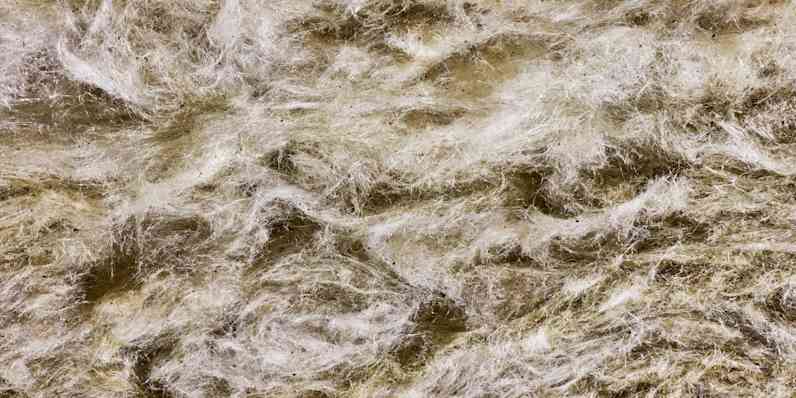
Learn seven key considerations for commercial roof insulation selection. Find out how the overall roof enclosure affects the choice of insulation material.
Read more

Fire • Commercial • BlogStone Wool Versus Slag Wool Insulation
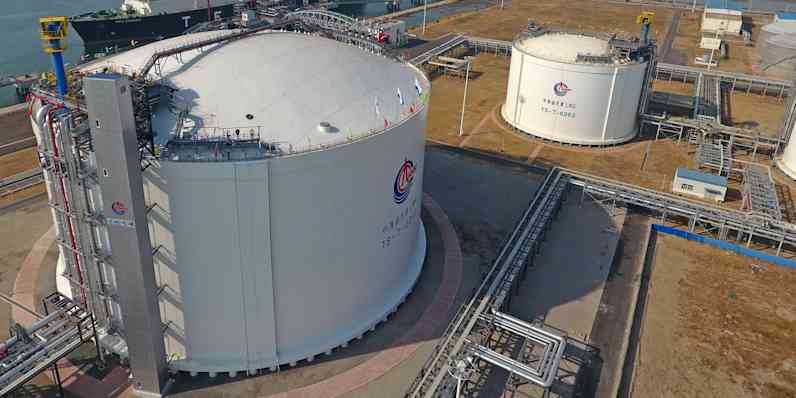
Learn the difference between stone wool & slag wool insulation, how each is made & why mineral wool performance depends on proper application & testing.
Read more

Fire • Industrial • WebinarLNG Pool Fire Suppression & Cryogenic Liquid Spill Protection

Our expert team explore two major hazards LNG operators face every day: cryogenic spills and hydrocarbon pool fires.
Read more

Fire • Commercial • BlogThermafiber®, the Workhorse in Perimeter Fire Containment, Celebrates 90 Years
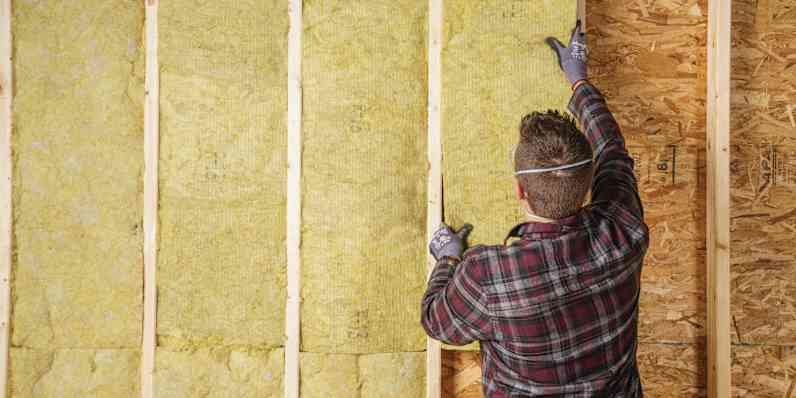
Thermafiber® mineral wool insulation, renowned for its fire-resistant properties, marks its 90th anniversary in 2024. Known as the “workhorse” in passive fire protection.
Read more

Fire • Commercial • BlogFAQs About Thermafiber® Mineral Wool Insulation

We’ve assembled the most frequent questions we receive about the #1 specified brand of commercial mineral wool*, including moisture and vapor performance, using Thermafiber® in perimeter fire containment, product sustainability attributes and more.
Read more
Combustible liquids in Insulation

Fire • Industrial • BlogCombustible Liquids in Insulation
Risk of fire increases when combustible liquids, such as oils and heat transfer fluids, are absorbed by insulation materials (also called “wicking”).
Read more
DESIGNING DIRECT BURIAL INSULATION SYSTEMS

Thermal • Industrial • BlogKEY CONSIDERATIONS IN DESIGNING DIRECT BURIAL INSULATION SYSTEMS
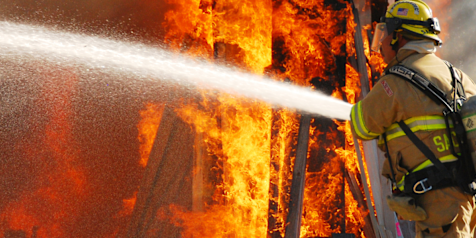
Placing piping underground has been a widely accepted way of designing and installing process piping networks for decades. Underground piping networks are used to distribute chilled water, hot water and steam, or to transport gas or other fuels.
Read more
Behavior of Industrial Insulation in Case of Fire
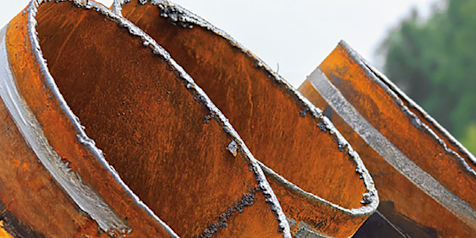
Fire • Industrial • BlogThe Behavior of Industrial Insulation in Case of Fire

Industrial fires claim multiple lives and cost millions of dollars in direct and shut-down costs annually.
Read more
Specifying Insulation to Support Longevity in Chilled Water Systems
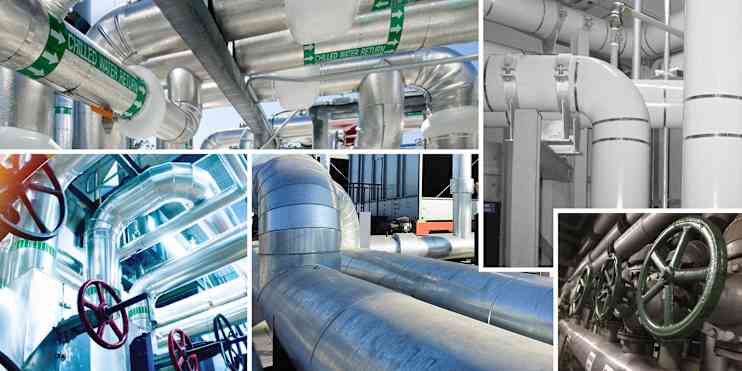
Moisture • Industrial • BlogSpecifying Insulation to Support Longevity in Chilled Water Systems

Energy prices remain volatile, and recent extreme weather events have spotlighted the importance of reliable infrastructure, showing how essential assuring the integrity of piping systems — including chilled water pipes — has become.
Read more

Moisture • Industrial • WebinarChilled Water Systems Webinar
Alec Cusick, Technical Services Lead for FOAMGLAS® Cellular Glass Insulation, shares the top considerations when insulating chilled water systems in a webinar presented by Owens Corning.
Read more
Image of two fire fighters

Fire • Industrial • WebinarPassive Fire Protection Systems Webinar
Doug Fast, PE and Alec Cusick, Technical Services Leads for Technical Insulation, share the top key fire safety objectives of industrial facilities in this webinar presented by Owens Corning.
Read more
FOAMGLAS PFS banner

Fire • Industrial • BlogMitigating LNG pool fires using passive systems
Liquid natural gas (LNG) pool fires are an industry concern and a danger for any facility storing, processing or handling flammable materials. Facilities working with LNG can plan and prepare for these fires...
Read more
Image of high temperature pipes

Fire • Industrial • BlogFire testing takeaways to consider when selecting insulation for fire protection
Fire testing takeaways to consider when selecting insulation for fire protection
Read more
Thermafiber_FireSpan

Fire • Commercial • BlogBalancing life safety, installation efficiency and design flexibility
Learn how the new Thermafiber® Impasse® Zero Spandrel is a game-changer for Perimeter Fire Containment Systems
Read more
Image of chilled water pipes

Moisture • Industrial • BlogDesigning chilled water insulation systems to mitigate regional conditions
Several elements must be considered when designing insulation systems for chilled water designs. FOAMGLAS cellular glass provides protection for insulating systems.
Read more
Cellular glass insulation

Moisture • Industrial • BlogUsing Cellular Glass Insulation to Mitigate Corrosion Under Insulation (CUI)

The FOAMGLAS cellular glass sealed system and FOAMGLAS spacer system can help mitigate the risk of CUI (Corrosion Under Insulation), protecting the long-term function of piping and equipment by keeping moisture out.
Read more
Owens Corning and AIA survey

Moisture • Commercial • BlogOpinions and opportunities in building for resilience
A summary of results from the recent Owens Corning and AIA survey.
Read more
The U.S. Coast Guard Headquarters VRA

Moisture • Commercial • BlogVersatile VRAs: The role of XPS in VRA function and design
Vegetative roof assemblies (VRA) are popular additions to commercial buildings for several reasons, including that they can provide environmental, economic and enrichment benefits for the facility.
Read more

Moisture • Mechanical • BlogDesign considerations for district energy insulation systems
District energy systems are becoming increasingly popular as they can be used to provide cost-effective heating and cooling to clusters of buildings. In this article we review the challenges and common pitfalls that can hamper the efficient function of these systems.
Read more
Delta T

Sustainability • Mechanical • BlogMaking use of Delta T: Reducing industrial energy emissions with mechanical insulation

Properly designed and installed mechanical insulation is a great way to reduce energy expenditure, limit a facility’s greenhouse gas emissions, and save money.
Read more
Insulating district energy systems

Moisture • Industrial • BlogConsiderations for insulating district energy systems

District energy systems are a popular way to provide temperature regulation to multiple buildings in an area. A well-designed insulation system should provide sufficient process control to heating and cooling processes, reduce energy expenditure and maximize the system lifespan.
Read more
Salesforce Tower in San Francisco

Fire • Commercial • BlogNavigating Six Special Conditions in Perimeter Fire Containment System Design
Several special considerations or design elements must be examined when designing a perimeter fire containment system for a high-rise building. Doing so helps ensure that these systems function as intended and provide the anticipated hourly fire protection.
Read more
Installation of mineral wool insulation as continuous insulation

Moisture • Commercial • Blog3 Benefits of Mineral Wool Continuous Insulation (ci) for Moisture Management
When specifying continuous insulation for the exterior of a building, it is important to consider what type of insulation is used and the benefits or challenges the material may bring. Using mineral wool as a continuous insulation brings flexibility to the enclosure design.
Read more
Mechanical Insulation

Moisture • Mechanical • BlogFive mechanical insulation considerations for healthcare facilities
There are multiple elements to evaluate when selecting and installing mechanical insulation for healthcare facilities on a specific project. Often the considerations need to account for challenges such as polymer jacketing and moisture resistance.
Read more
Improper installation of a perimeter fire containment system

Fire • Commercial • BlogDismantling 5 Common Perimeter Fire Containment Misconceptions
Not all elements used in perimeter fire containment systems are the same. In this blog we take a look at some of the common myths and the ways to address potential gaps in the life safety system during design.
Read more
Image of an industrial array with pipes

Thermal • Mechanical • BlogLabor saving features to reduce pipe insulation installation time
The U.S. construction industry isn’t getting faster and may be slowing down – an element that is playing out globally as the construction sector sees only modest global gains in productivity on an annual basis.
Read more
Image of fire burning

Fire • Mechanical • BlogProtecting life safety in plenum spaces

Although they may not be immediately noticeable there is an important life-safety element to the materials installed in and running through plenum spaces.
Read more
Audio mixing board

Acoustics • Mechanical • BlogAcoustic insulation solutions for industrial pipe applications
A new theoretical modeling system built and validated following a series of in-lab tests provides a tool to assess acoustic insulation designs, shortening the development process and reducing overall costs.
Read more
Condensation and water droplets on glass

Moisture • Commercial • BlogUsing WUFI® as a moisture management design tool

Although there're only a few main strategies for designing wall systems, they involve numerous elements. Predictive modeling technology like WUFI® makes it easier to account for vapor movement and regional conditions when designing moisture management systems for wall assemblies.
Read more
Via 57 West apartments in New York as an example as a balanced approach to fire protection

Fire • Commercial • Blog3 Components of Fire Protection for Balanced Life Safety

Addressing fire protection life safety systems in a high-rise structure calls for a balanced approach incorporating passive, active and detective elements. Here we highlight the different components involved and the roles they play in helping protect building occupants.
Read more
Via 57 West apartments in New York

Fire • Commercial • BlogSix Critical Components of a Listed Perimeter Fire Containment Assembly

A quick look at the six elements involved with creating a listed perimeter fire containment assembly designed to help ensure fire and smoke do not move upward in a building when a fire occurs.
Read more
Collection of architecture design documents on a desk

Moisture • Commercial • BlogDurable Design: Using Technology to Achieve Expected Building Service Lifespans

When creating a building design several building science elements must be evaluated. Modeling technology like WUFI® can make material interaction and longevity easier to understand, helping to tailor building lifespan.
Read more
One World Trade Center in New York

Fire • Commercial • BlogUnderstanding the SAFETY Act: Using perimeter fire containment systems to reduce liability

DHS SAFETY Act designation recognizes materials and products that provide a limited liability to builders and architects if a terrorist attack occurs. Here we take a look at what it means to earn the designation and the perimeter fire containment products that carry the label.
Read more
Upward looking view of One World Trade Center in New York

Fire • Commercial • BlogSix Critical Components of Engineering Judgments for PFC Systems

Engineering judgments play a specific role when used to critique Perimeter Fire Containment (PFC) systems. In this article we examine the critical elements to include when creating an engineering judgment and discuss when they should never be used.
Read more