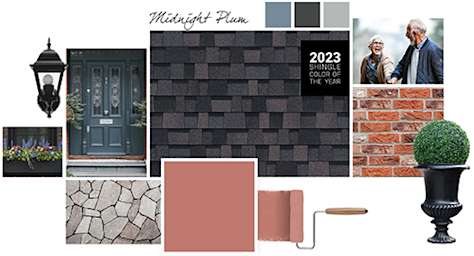
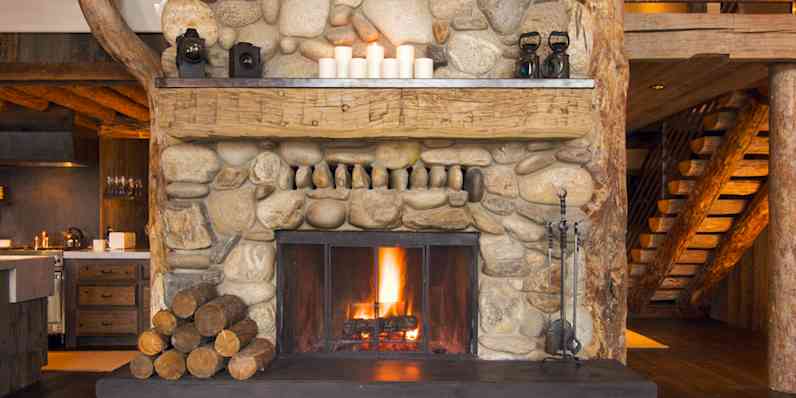
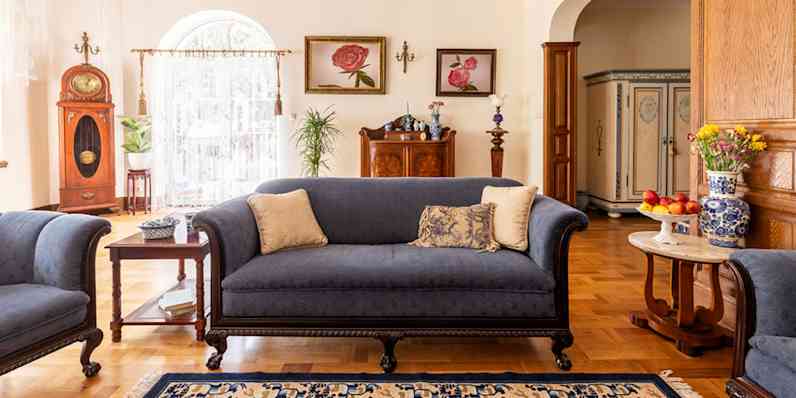
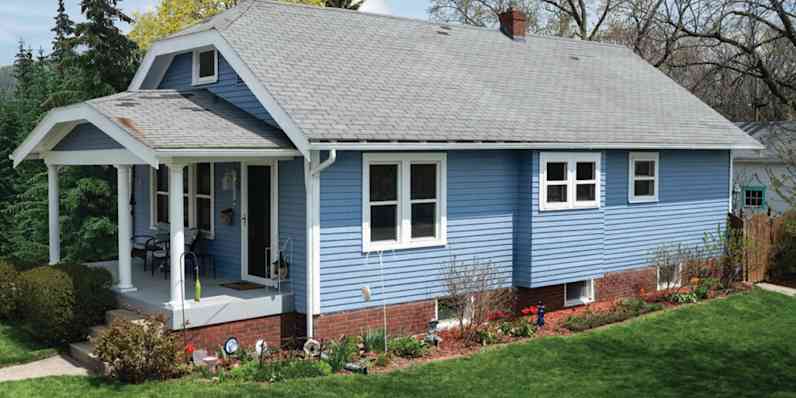
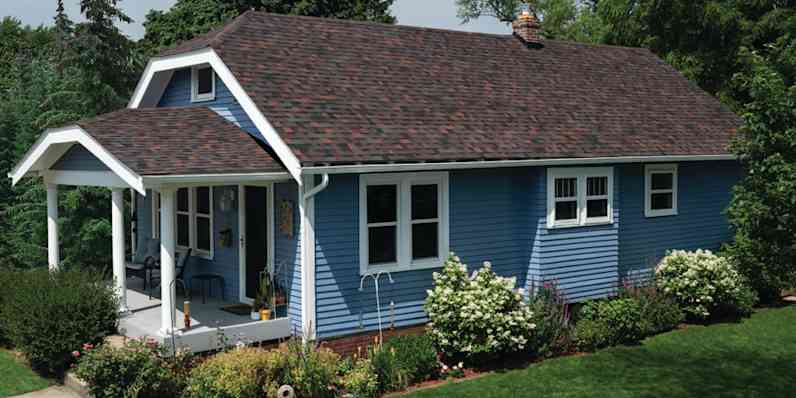
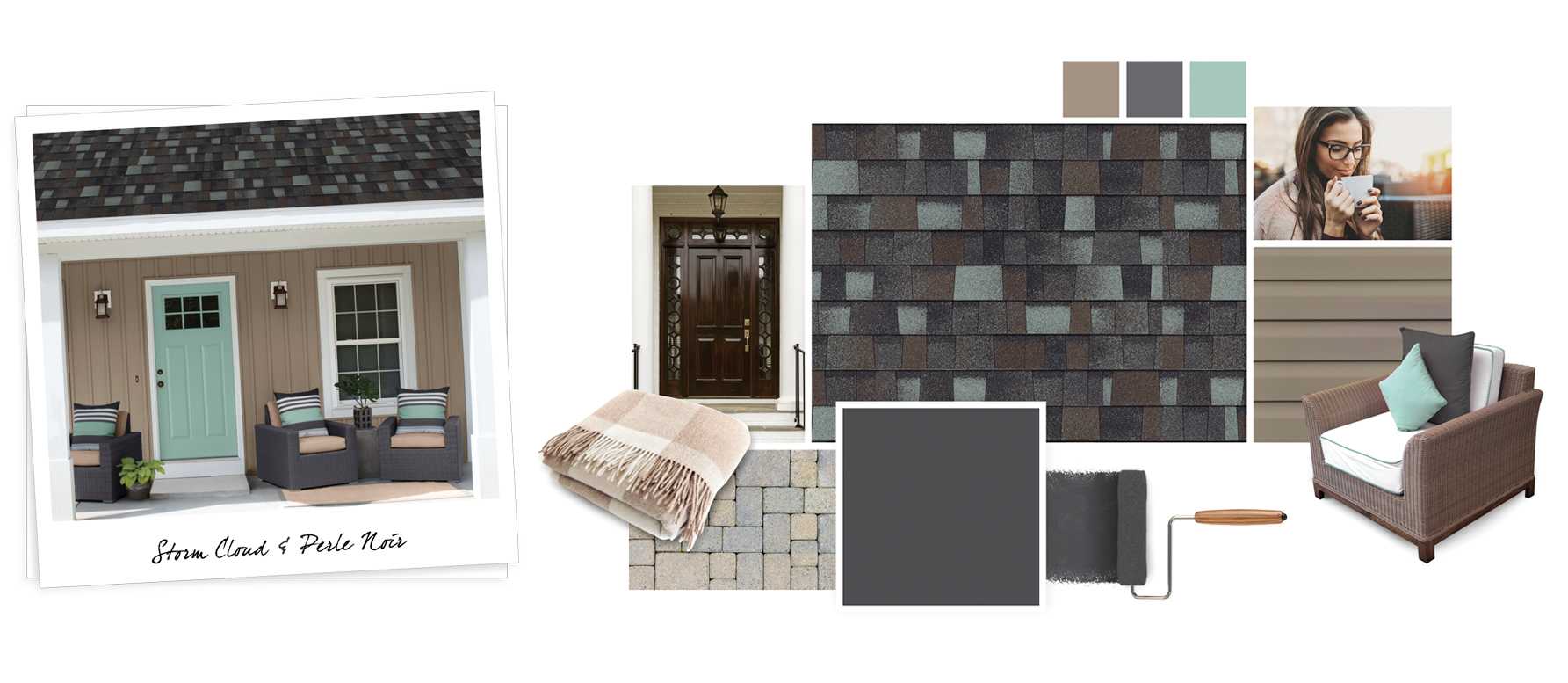
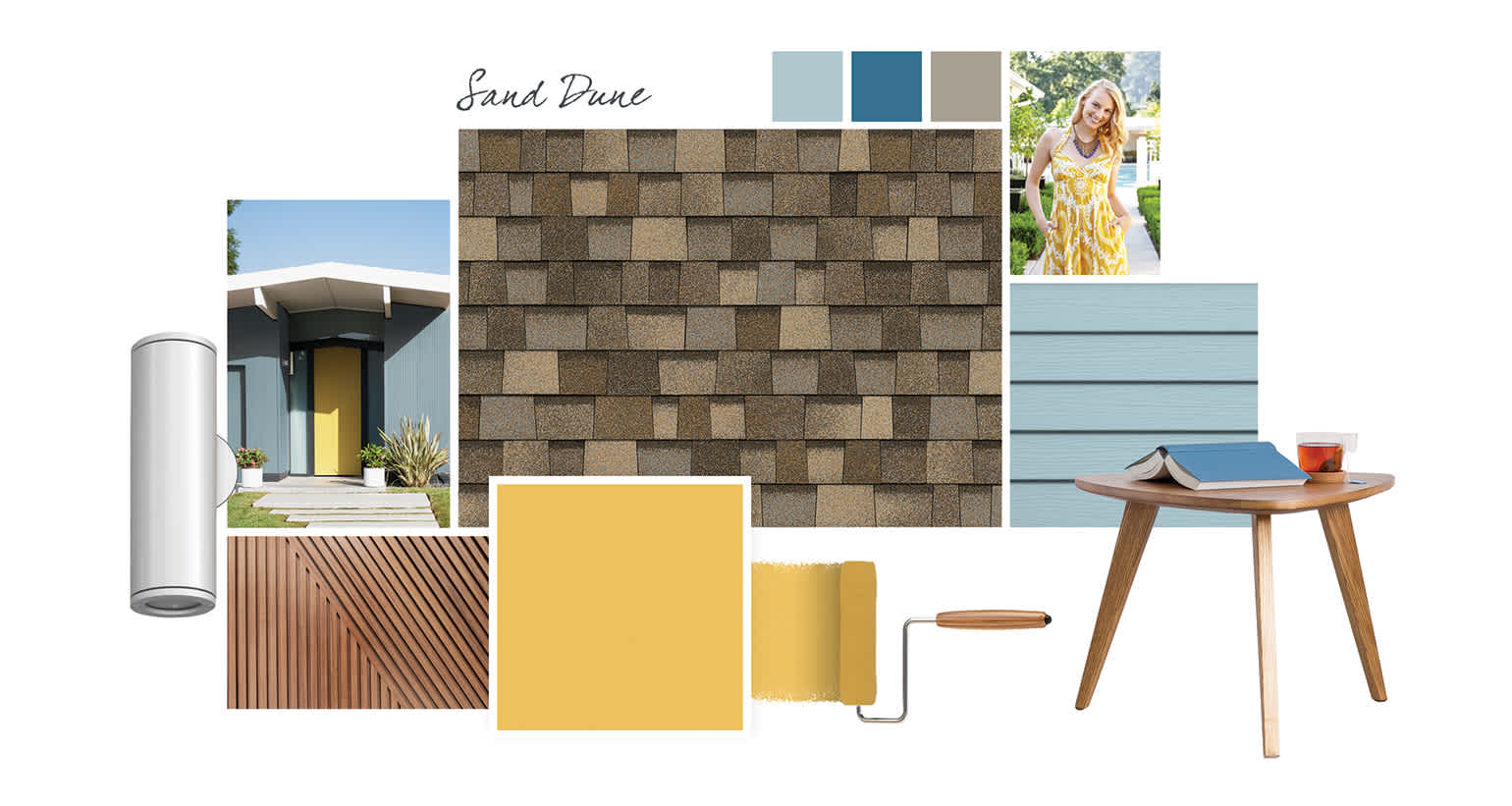
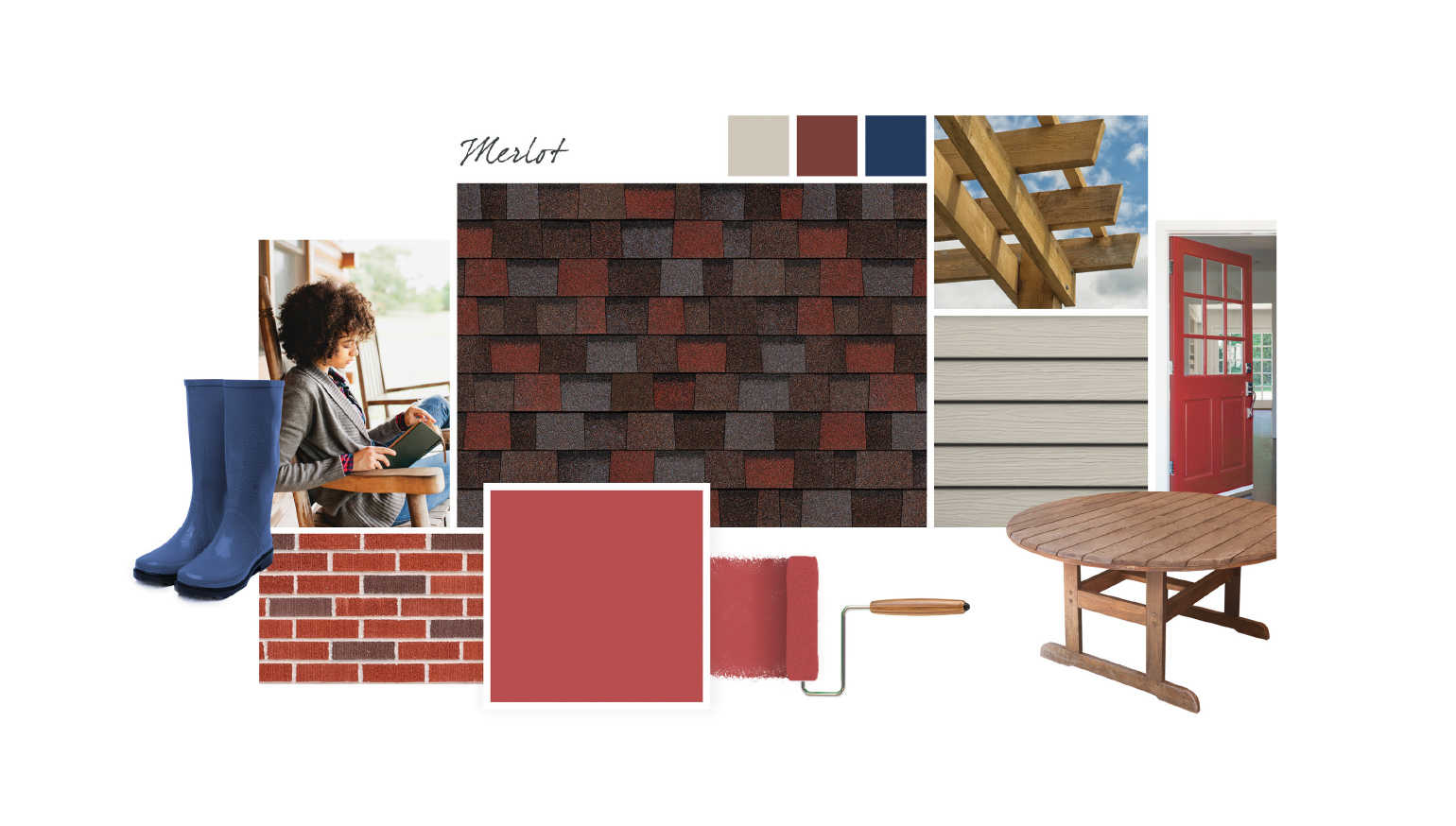
Think of mood boards as a collection of the things that catch your eye. Once you see them all in one place, it will likely become a snapshot of your entire decorating scheme. For example, you may see that you are attracted to soft, pastel palettes. Or you may find that you like big, bold, colorful items. A mood board will also help you identify items that are inconsistent with your style—and maybe you just couldn’t see it before.
Mood boards are beneficial and created for others things like interior decorating, wardrobes, and/or even life coaching, but are especially helpful when working with large designs, such as landscaping or a home exterior plan which could include a roofing project.
Mood boards help you to:
- Experiment with color combinations before any outlay of cost
- Easily see which colors work – and more importantly – don’t work together
- Identify and determine your design aesthetic
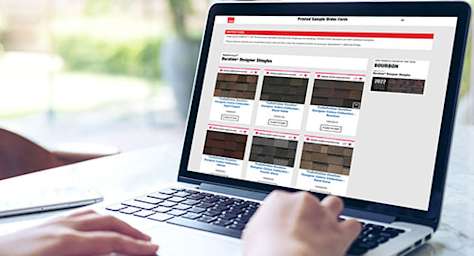
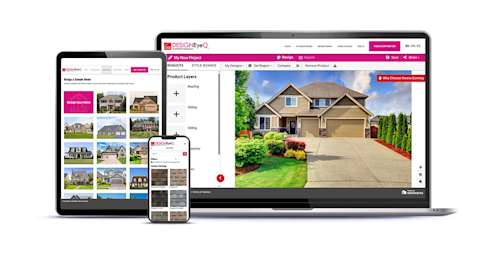
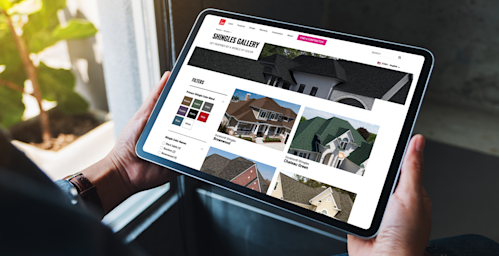
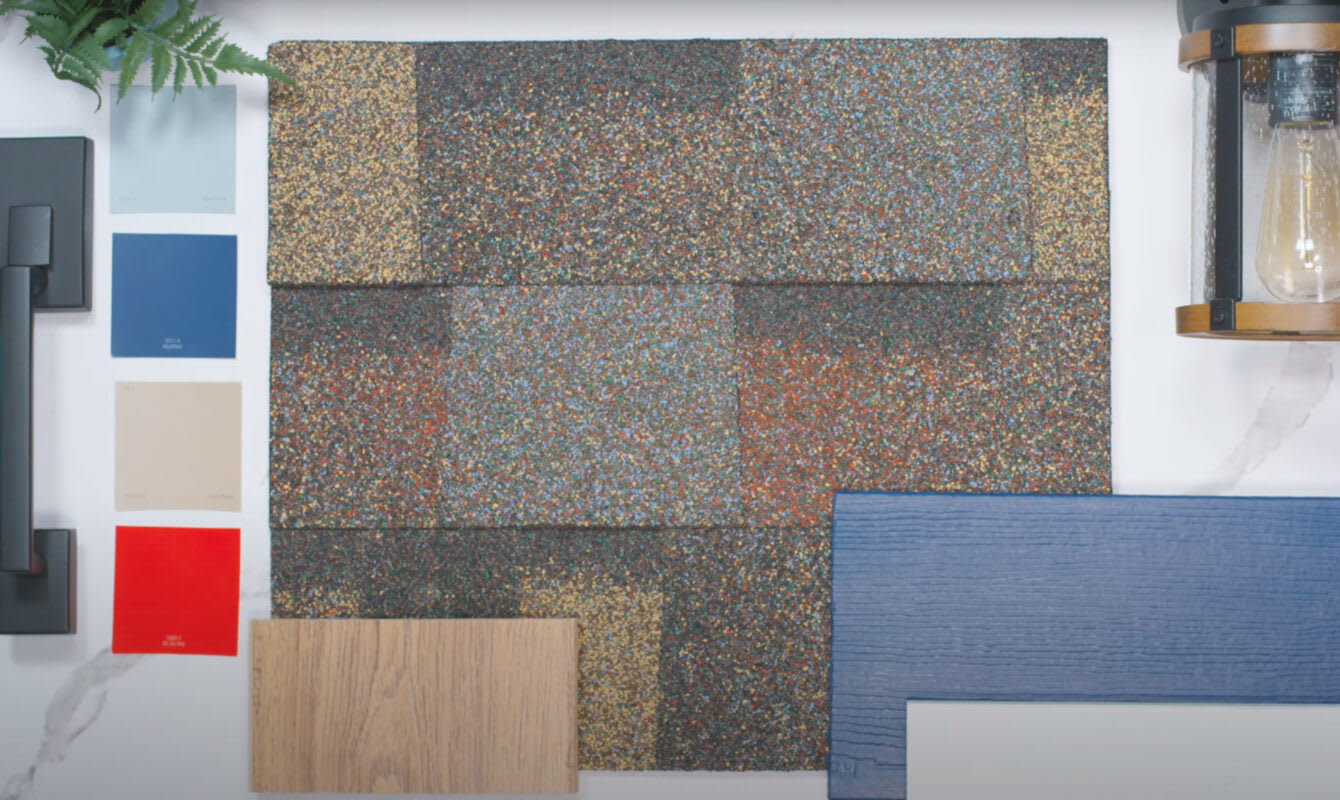
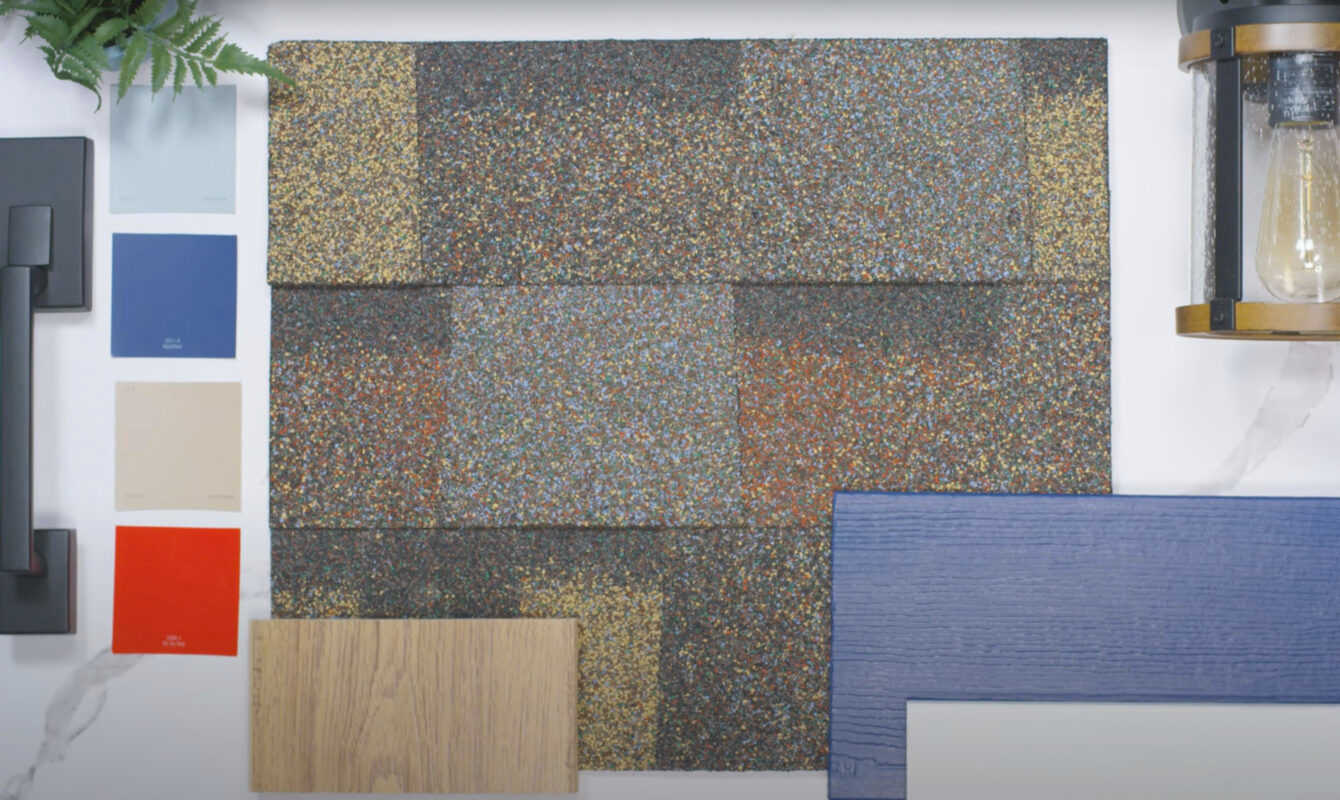
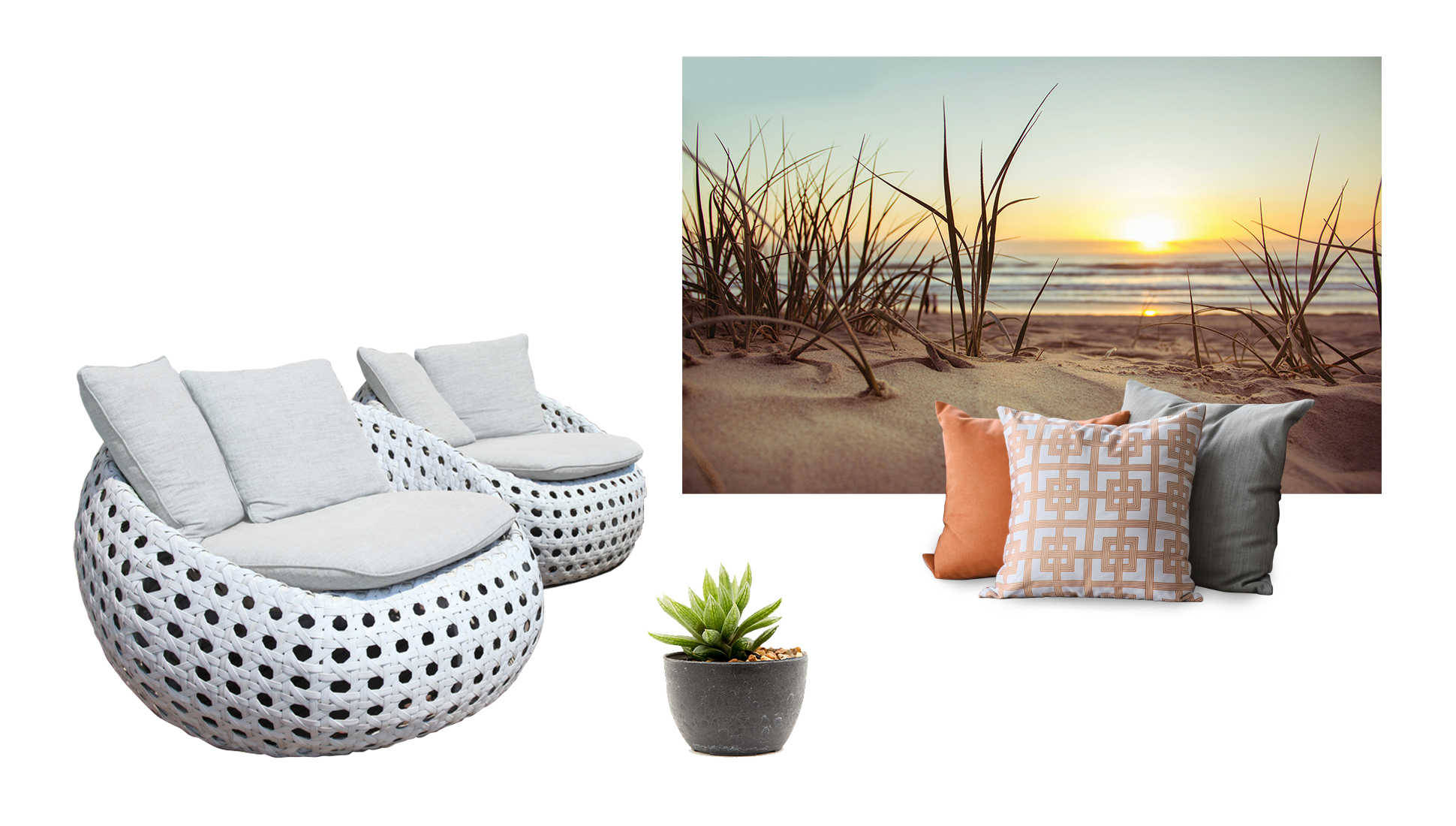
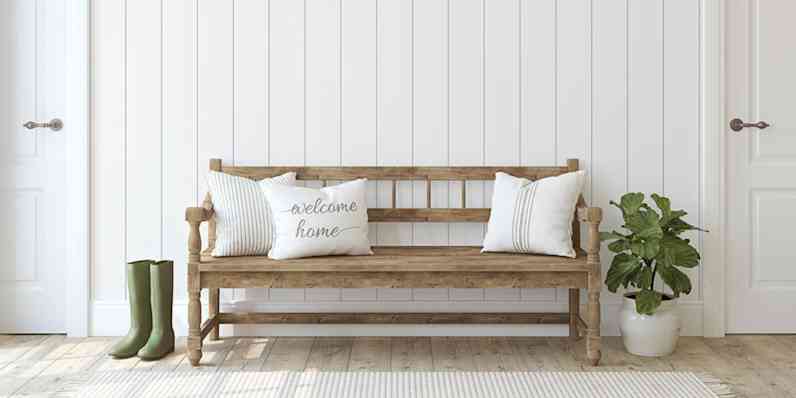
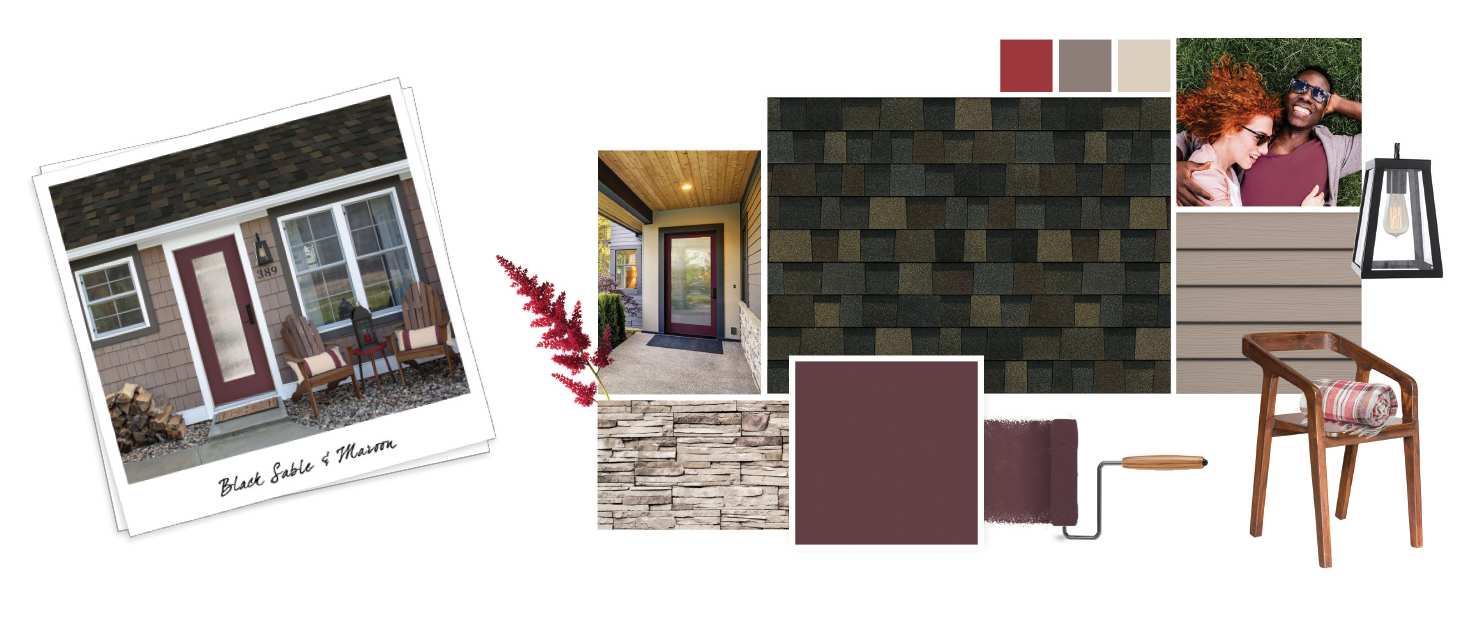
Here are some curated style board examples from Owens Corning.
Using a Mood Board to Design Your Roof
A roofing contractor should ask you what color roof you want but some may not ask and will suggest colors that may or may not fit with your style and color preferences for your home exterior. Creating a mood board can help you solidify your choices and help you discuss them with a professional contractor, so it’s very clear which roof color you would like on your home.
Here are five steps that explain how to start a mood board and offer suggestions on interpreting your mood board and applying it to your exterior design projects.
1. Gather Inspiration for Your Mood Board
Start by rounding up items and pictures that appeal to you or affect your emotions in a good way.
Here is just a sample of possibilities:
- Pillows
- Pottery
- Linens, including bedding and window treatments
- Tabletop and wall décor
- Photos
- Words and phrases that speak to you