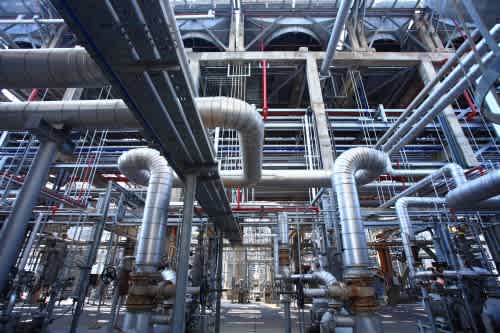
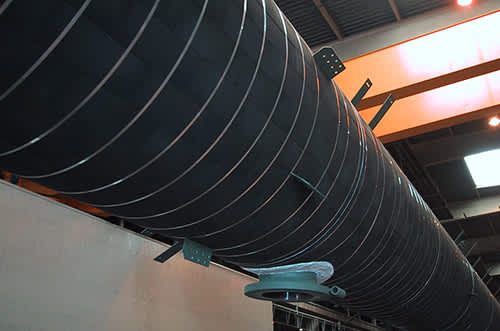
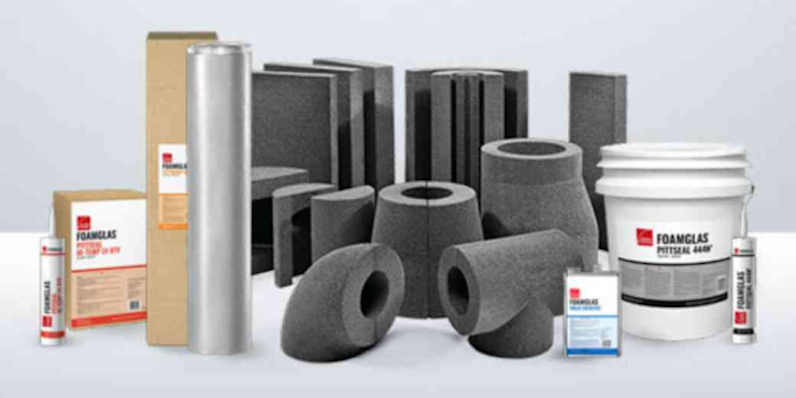
Thermal insulation solutions for piping and equipment operating at above ambient temperatures.
Thermal insulation solutions for piping and equipment operating at above ambient temperatures.
The requirements to take into consideration with above ambient piping and equipment are the limitation of surface temperature to avoid burns, the heat transfer for economic reasons and the control of the process. In particular conditions, a fire protection requirement may also require a certain insulation thickness.
Although less known, problems due to water or water vapor may also occur in hot insulation systems, in the part of pipe coverings situated near the jacket when the temperatures are lower than 100°C (212°F). The consequences of water vapor intrusion and its condensation may include degraded thermal performance, poor temperature control and increased corrosion risk. When the insulation material absorbs water that can turn to vapor or steam, it affects energy consumption, surface temperature, personnel safety, and operating costs and constitutes one of the major factors leading to steel corrosion.