











This is a cache of https://www.owenscorning.com/en-us/roofing/blog/cleaning-asphalt-roof-shingles. It is a snapshot of the page as it appeared on 2026-09-17T07:42:09.934+0000.
Cleaning Roof Shingles & Maintenance Tips | Owens Corning Roofing Skip to Main Content
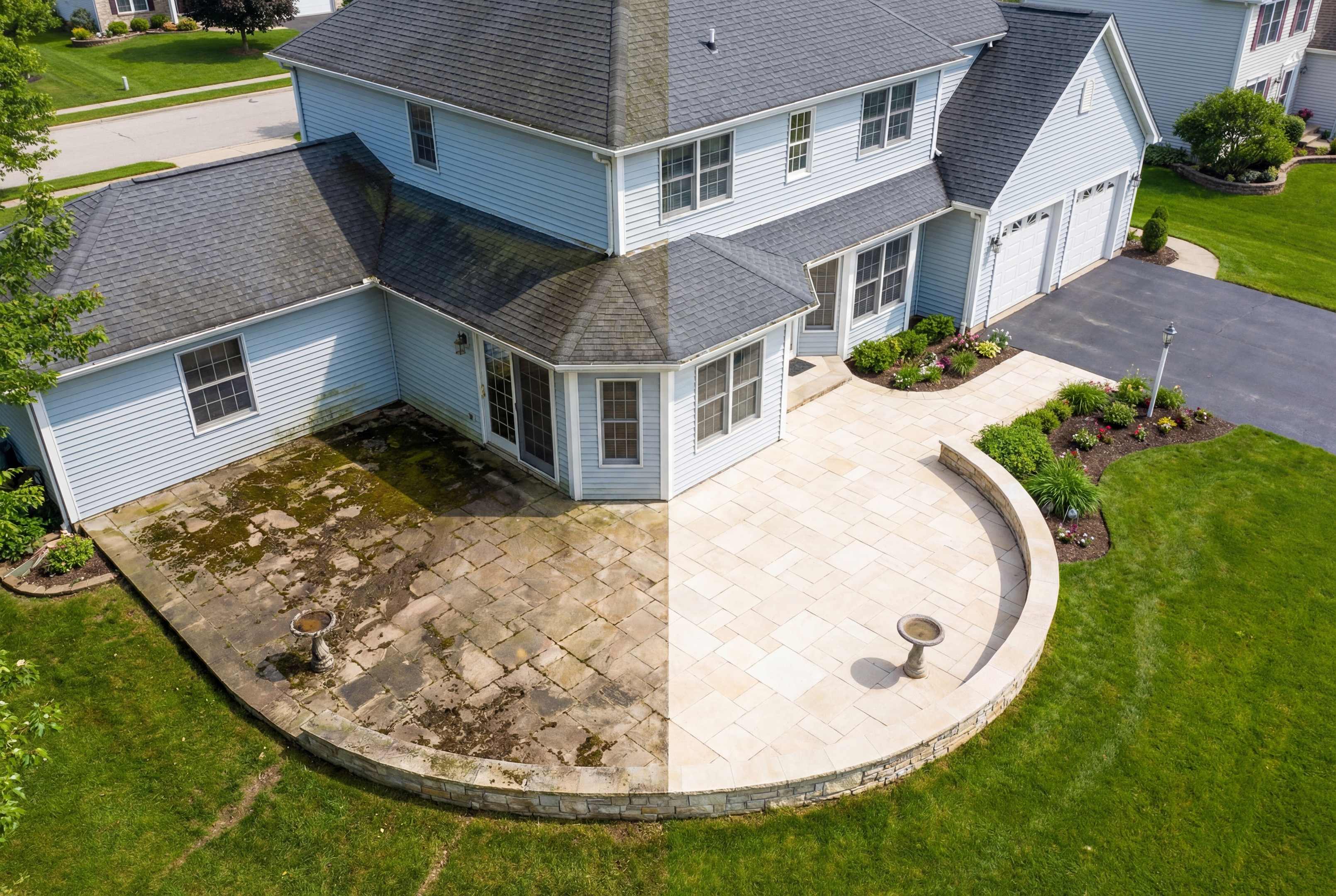
Grey house with grey roofing shingles with half showing "before" and "after" cleaning the roof.

Cleaning Asphalt Roof Shingles & Other Necessary Roof Maintenance Tips

Written By Owens Corning RoofingDate Published 2026-05-08

Cleaning Asphalt Roof Shingles

Your roof helps protect your home year-round, but it is easy to forget about routine care until a problem shows up. Regular roof maintenance, which includes inspecting key areas, keeping gutters clear, and cleaning roof shingles, can help prevent damage, extend the life of your roof, and protect your investment over time.

Knowing what to look for, how to clean roof shingles, and which maintenance tasks matter most can make it easier to spot issues early and avoid costly repairs. With a clear plan and the right approach, many routine tasks can be handled confidently, while complex problems are best left to a roofing professional.
How to Inspect Your Roof Safely for Maintenance

Regular inspections can help homeowners catch potential roof issues early, before they turn into costly repairs. Many warning signs from storm damage or regular wear and tear are visible without getting on the roof, and knowing where to look can make routine roof maintenance safer and more effective.

Ground-level Roof Inspection Tips

A ground-level roof inspection is a safe way to spot potential issues without climbing onto the roof. We recommend consulting a roofing professional for an official roof inspection

  • Survey the whole house: Walk around the entire house and use binoculars to get a closer look at hard-to-see areas, especially along eaves and overhangs.
  • Get enough light: Make sure there is enough daylight, and use a flashlight to check shaded areas where problems can be challenging to spot.
  • Be on the lookout for dark streaks and shingle damage: Look for signs of moss, algae, leaves, or other debris, as well as missing or damaged shingles.
  • Get the complete picture: Step back periodically to get a full view of the roof and watch for sagging or uneven areas.
  • Document your findings: If something looks unusual, take photos with a camera or smartphone so you can track changes over time.

Ladder Safety Basics

Some roof inspections can be done safely from a ladder, but ladder use always comes with risks. Make sure the ladder is placed on stable, level ground and extends high enough to provide secure access without overreaching.

Signs it might not be safe to get on a ladder:

  • Wet conditions
  • High winds
  • Extreme heat
  • Steep roof slopes

Public health and safety agencies like the New York State Department of Health have recommendations for roof and ladder safety tips. In general, it is crucial to avoid ladder use if conditions feel unstable or visibility is limited. Never climb onto the roof if you are unsure about your footing or balance. In these situations, a professional inspection is a recommended alternative.

Attic Warning Signs

The attic can provide essential clues about roof health. Stains on insulation or framing, signs of moisture, or musty odors may point to roof leaks or ventilation problems. Poor airflow in the attic can also contribute to heat and moisture buildup, which may affect shingles and increase the risk of issues like mold or ice dams.

According to the U.S. Department of Energy, proper attic ventilation and insulation help regulate temperature and moisture levels, supporting the long-term performance of the attic and your roof system. If you notice moisture, damaged insulation, or blocked vents in the attic, those can be signs of larger damage. The National Roof Certification and Inspection Association (NRCIA) has tips on when to seek a professional opinion.

Cleaning Shingles: What Works, What to Avoid

Why is it Important to Clean Roof Shingles?

Dark streaks and discoloration can be found on roofs, especially in shaded or damp environments. While some staining can be cosmetic, certain types of biological growth, like moss and algae, can trap moisture. This trapped moisture can affect shingle performance over time. Cleaning roof shingles helps remove this buildup, assists with protecting the roof’s ability to shed water properly, and supports its long-term lifespan. Keeping shingles clean can also make it easy to spot damage early, before minor issues turn into more costly repairs.

Learn more about dark streaks on your roof here.

Homeowners spraying off roof shingles with a garden hose.

What’s the Best Way to Clean Roof Shingles?

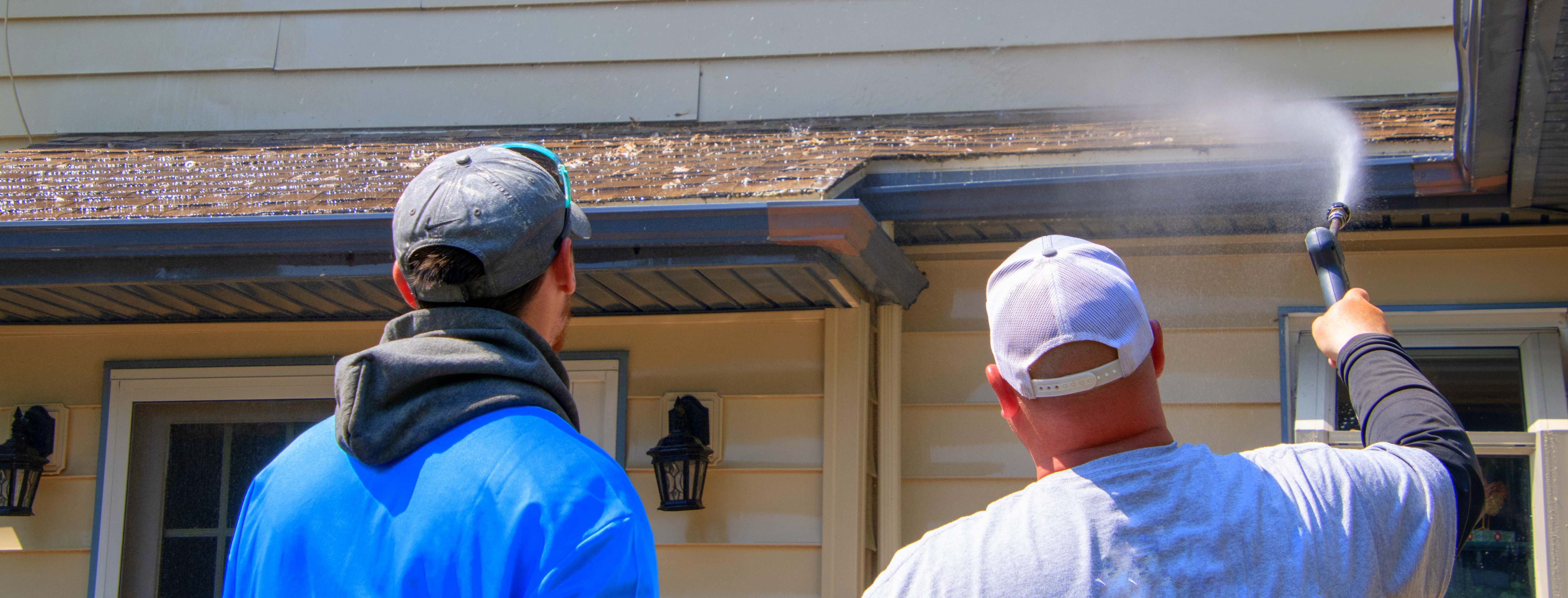
A commonly recommended approach for cleaning asphalt roof shingles is with a low-pressure, soft-wash method. A soft wash approach to roof cleaning entails using water applied at low pressure. Avoid using any chemicals. This soft wash helps to remove algae and other debris without damaging the shingles. It is not recommended to use a pressure washer as this can displace granules on the shingles and potentially void any manufacturer warranties. You can also consult a roofing professional if you are unsure which option is appropriate for your shingles.

Cleaning Asphalt Shingles

When cleaning asphalt shingles, the process typically involves:

  • Low-pressure equipment, such as a standard garden hose or a low-pressure sprayer designed for soft washing.
  • Basic safety gear, including gloves, eye protection, and non-slip footwear, with additional fall protection, is often used by professionals on steep or high roofs.
  • Materials to protect nearby plants and vegetation, such as plastic sheeting or tarps, should be used along with thorough rinsing to help limit the effects of runoff. Cleaning solutions and runoff can affect plants and soil, so it is ideal to cover them when cleaning the roof.
  • High-pressure washers, abrasive tools, and stiff brushes should be avoided, as they can damage shingles and shorten the life of the roof, even if damage is not immediately visible. To limit future growth, trimming overhanging branches can help reduce shade and moisture.

Gutters, Drainage & Attics & How They Affect Your Roof Cleaning

What to Consider When Cleaning Roof Shingles

Gutters, downspouts, and attic conditions all play an essential role in how well your roof performs over time. When water is not directed away from the roof properly, or moisture builds up in the attic, it can contribute to shingle damage, leaks, and other maintenance issues that are easy to overlook.

Your gutter system is designed to move water off the roof and away from your home. When gutters or downspouts are clogged or not functioning properly, water can back up along roof edges, flow under shingles, or spill onto areas not designed to handle constant moisture.

Gutter Cleaning and Downspout Checks

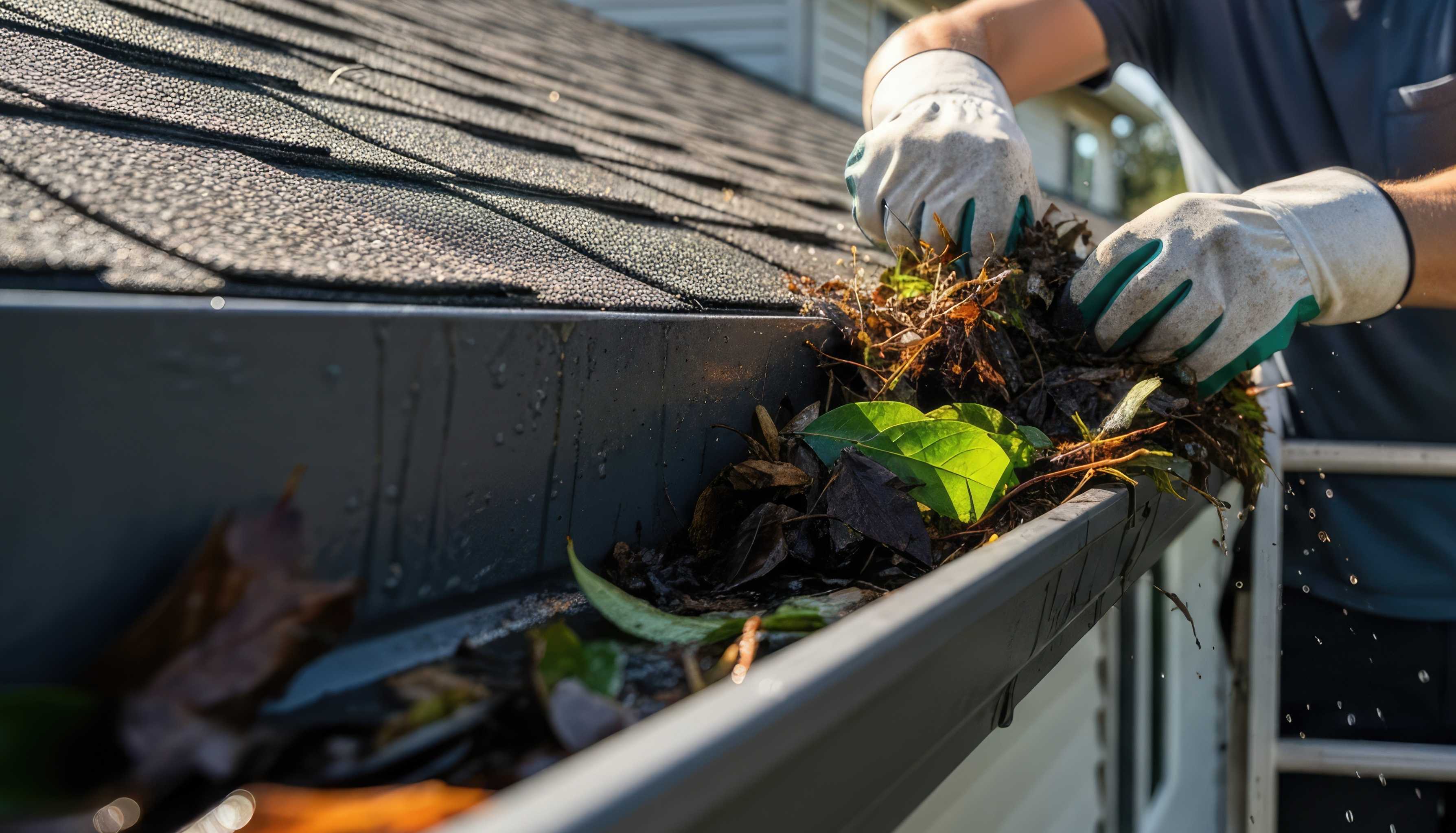
Clean gutters regularly, especially after heavy leaf drop or storms, to prevent clogs and overflow.

  • Look for standing water, sagging sections, or gutters pulling away from the roofline.
  • Make sure downspouts are clear and directing water away from the foundation.
  • Check for splashback or water spilling over gutter edges, which can lead to moisture buildup along shingles and eaves.
Person cleaning leaves and debris from the gutters.

Attic Ventilation and Insulation Basics

Attic ventilation and insulation help regulate heat and moisture levels beneath the roof. If warm, moist air becomes trapped in the attic, it can contribute to moisture-related issues and increase wear on roofing materials. Adequate airflow allows excess heat and moisture to escape, while proper insulation helps limit heat transfer from living spaces below. Together, ventilation and insulation support roof performance and can reduce the risk of issues, including condensation and ice dams in colder climates.

What Kind of Maintenance Does a Roof Need

A roof needs regular maintenance to help prevent damage, manage moisture, and extend its overall lifespan. Most roof maintenance falls into simple monthly checks, thoughtful cleaning, seasonal tasks, and a few annual items that help catch issues early.

How to Maintain a Roof Over Time

Follow these common roof maintenance tasks homeowners can use to stay organized and proactive throughout the year, without turning maintenance into a major project.

Routine Roof Maintenance Quick Checks

Monthly checks focus on quick visual inspections and keeping the roof clear of debris. These small steps can help homeowners notice changes early and address minor issues before they worsen.

  • Ground inspection: Walk around the home and inspect the roof from the ground.
  • Visual shingle check: Look for missing, cracked, or damaged shingles.
  • Debris check: Look for visible branches, leaves, or needles on the surface.
  • Monitor dark streaks: Watch for new dark streaks, moss, or algae growth.
  • Storm check: Document any new wear/tear after heavy weather and look for signs of storm damage.
  • Take notes: Record sections that may need future cleaning.

💡 Tip: Keep a running record of updates and sections to clean in your phone notes app.

Seasonal Roof Maintenance Tips

Seasonal maintenance helps prepare the roof for changing weather conditions and heavy moisture or temperature swings.

Spring priorities:

  • Assess whether roof shingles need cleaning after winter weather.
  • Look for signs of moss, algae, or moisture buildup that may require cleaning.
  • Check for damage caused by snow, ice, or high winds.
  • Clear debris from the roof and gutters.
  • Confirm downspouts are directing water away from the home.

Fall priorities:

  • Remove fallen leaves and organic debris from the roof and gutters to help prevent staining and moisture retention.
  • Check for clogged or overflowing gutters.
  • Trim back overhanging branches where possible.
  • Look for areas where water may collect or drain poorly.

Annual Roof Maintenance Tips

  • Roof System Components Review: Check the condition of shingles, flashing, and roof edges.
  • Attic Inspection: Check the underside of the roof and attic space for signs of moisture or ventilation issues.
  • Drainage System Check: Confirm gutters, downspouts, and drainage systems are functioning properly.
  • Professional Cleaning Review: Determine whether professional roof cleaning is needed to address persistent staining or biological growth.
  • Professional Inspection: Schedule a professional inspection if concerns are found or the roof is aging.

For a detailed annual roof maintenance checklist, review our Annual Home Roof Maintenance: 11 Chores to Maintain Your Roof.

DIY Roof Maintenance vs When to Call a Professional

Some roof maintenance tasks can be handled by homeowners, while others are better left to trained professionals. Knowing when to handle a task yourself and when to seek help can reduce risks and protect your home’s roof from unnecessary damage.

Homeowners can typically manage basic tasks such as performing visual roof inspections from the ground, monitoring for visible shingle damage or dark streaks, keeping gutters clear when safely accessible, and watching for attic warning signs like stains or moisture. These simple steps help track changes over time and identify potential issues early without climbing onto the roof.

When Should I Hire a Professional for Roof Maintenance?

Professional help is recommended when a roof is steep or difficult to access, when shingles are cracked, curled, or missing, or when problems involve flashing, roof penetrations, or roof edges. Ongoing leaks, repeated moisture issues, or persistent moss and algae growth are also signs that a professional evaluation may be needed. Any situation where using a ladder or stepping onto the roof feels unsafe is a good reason to call a qualified roofing contractor. 

Working with a professional helps ensure maintenance and cleaning are completed and in line with manufacturer recommendations, which can also help protect your roof’s long-term performance and warranty.

Find independent roofing contractors in the Owens Corning Roofing Contractor Network near you.

Why You Need Maintenance & Cleaning for Roof Protection

Regular roof maintenance and cleaning help prevent small issues from becoming large costly problems over time. Routine tasks like cleaning roof shingles, keeping debris off the roof, and addressing moss or algae early can support your roof’s ability to shed water and perform as intended. Using a maintenance checklist can make it easier to stay on track throughout the year. With consistent care and the right approach, you can help prolong the life of your roof and protect your investment for years to come.

Owens Corning does not test or recommend specific cleaning products or solutions for asphalt shingles.
Industry guidance from Owens Corning and the Asphalt Roofing Manufacturers Association (ARMA) is focused specifically on addressing algae-related staining, not general cleaning, moss removal, or other conditions.

Sources
Annual Home Roof Maintenance from Owens Corning Roofing
Fall and Winter Roof Preparation from Owens Corning Roofing
Guide to Durable Attics from the U.S. Department of Energy
Ladder and Roof Safety: Don't Fall on the Job from the New York State Department of Health
Free Roof Inspection Checklist PDF from the National Roof Certification and Inspection Association (NRCIA)
How to Avoid Roof Ice Dams from Owens Corning Roofing


Share this page on:

Related Articles

roof-maintenance-cleaning
Annual Home Roof Maintenance

Follow this seasonal roof maintenance checklist to help keep your roof in shape year after year. Regular roof inspections can help you catch problems early.
Read more
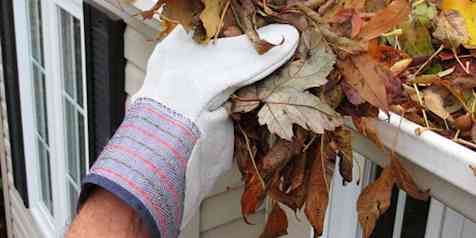
gloved hand removing leaves from white gutters on a red roof

Roof Maintenance
Fall and Winter Roof Preparation

Fall is a great time to think about preparing your roof for winter. Check out this blog from Owens Corning Roofing for roof maintenance suggestions.
Read more
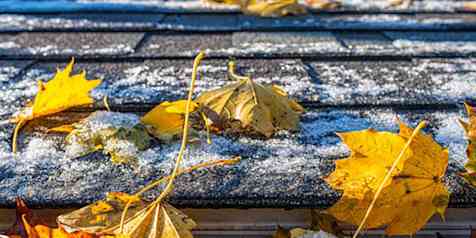
Close up view of shingles with snow and frost coating, and fall leaves.

roof-maintenance-cleaning
Why are there Dark Streaks on My Roof?

Algae growth may cause discoloration resulting in dark streaks on the rooftop. Learn more about what causes dark streaks on a roof and how to address the issue.
Read more
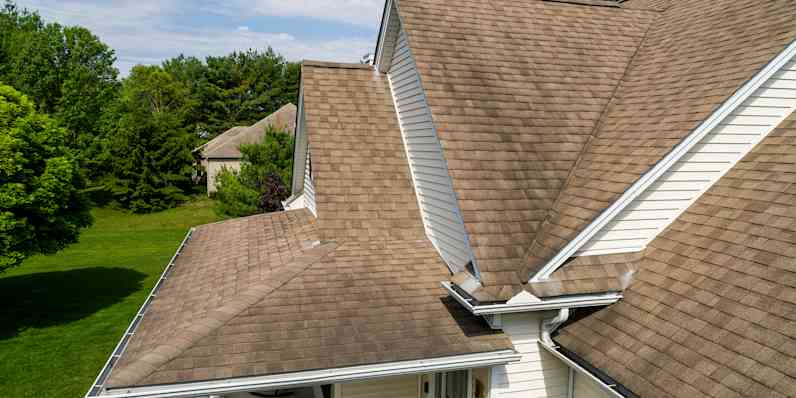
Medium tan rooftop with dark coloration on the shingles.