This is a cache of https://www.owenscorning.com/en-us/insulation/applications/air-shafts. It is a snapshot of the page as it appeared on 2026-01-31T12:41:26.601+0000.
Air Shafts | Owens Corning Insulation
Skip to main content

Thermal insulation solutions for concrete air shafts

Ventilation moves outdoor air into a building or room, and distributes the air.

Therefore, it is essential that air is brought into/out of the building via separate shafts and channels. The intake openings are generally located on roofs or in the upper part of the façade.

The air is pushed through concrete shafts to the basement where extensive air treatment or cooling systems are located. The tempered air is led through branched systems into the different rooms. The replaced air leaves the rooms through different channels that lead to an air shaft the pushes it out of the building.
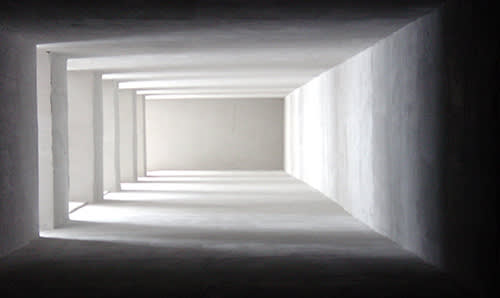
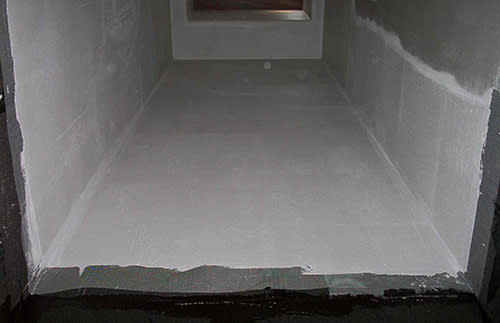
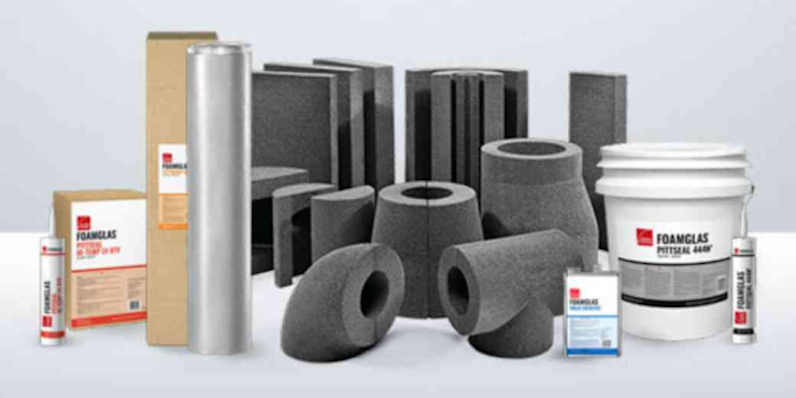
Image of a concrete Air Shaft

To insulate these shafts, it is beneficial to have an insulation material that is vapor tight and does not absorb moisture. Depending on weather, the air can be cold, warm or humid.

A closed cell insulation material like FOAMGLAS® insulation helps limit condensation penetrating the system and possibly the walls of the adjacent rooms.

These concrete shafts run through highly populated buildings so opting for a completely incombustible material is a safety advantage. In case of a fire, FOAMGLAS® insulation is non-combustible and will not produce toxic smoke, adding to the overall fire-safety of the building.

Image of an air shaft with foamglas

Typical Configuration for air shafts

  • A primer.
  • A single system of FOAMGLAS® insulation.
  • The insulation system shall be fully bonded to the substrate with PC® adhesive appropriate for the application conditions.
  • A reinforced glass mesh.
  • Additional coating.