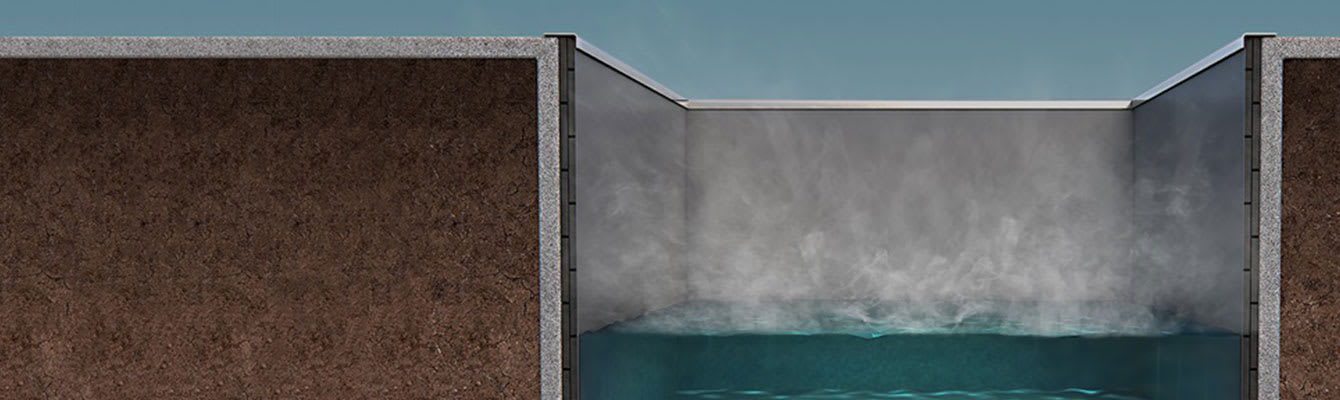
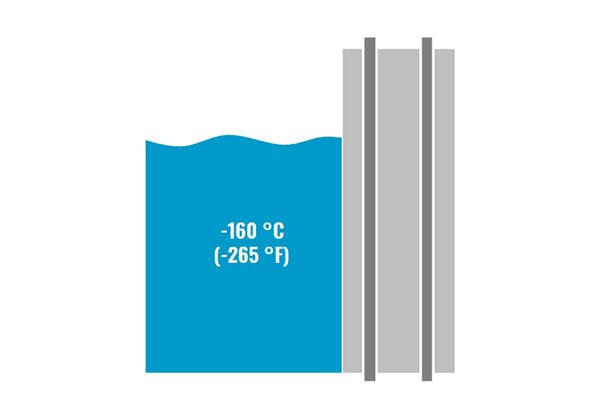
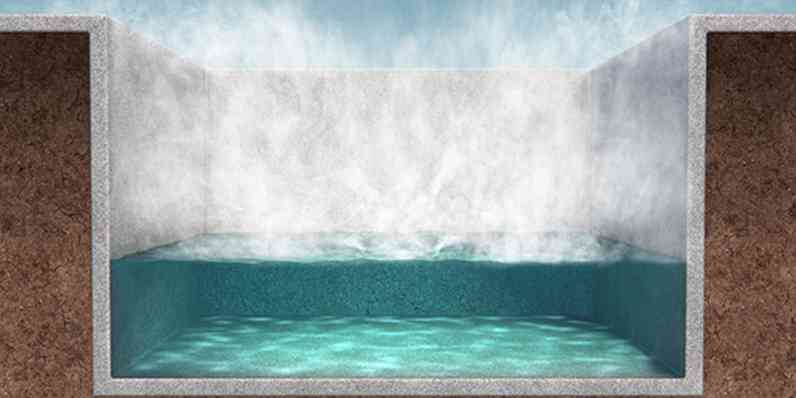
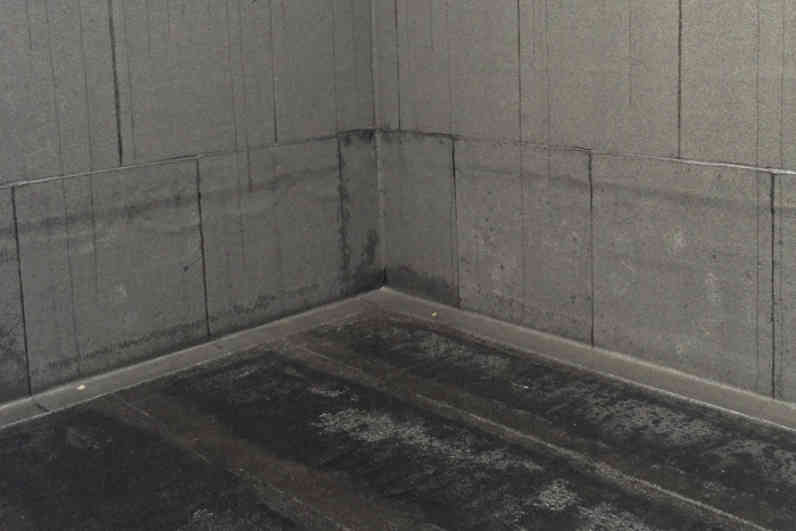
When rapidly exposed to cryogenic temperatures, both concrete and steel can experience structural changes that result in a reduction of load bearing capacity.
At freezing temperatures, concrete can experience contraction of the solid network as well as expansion of freezing water within the structure, both of which can lead to microfractures. Likewise, support steel may become brittle at cryogenic temperatures, increasing the risk for fractures to occur.
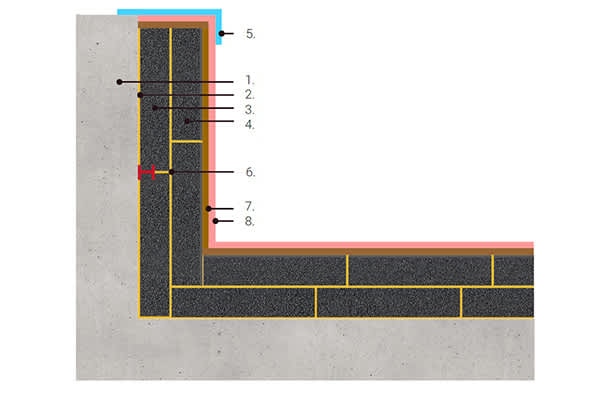
If pit walls are left exposed, it may require the use of cryogenic steel for reinforcing rebar, significantly increasing costs over traditional steel.
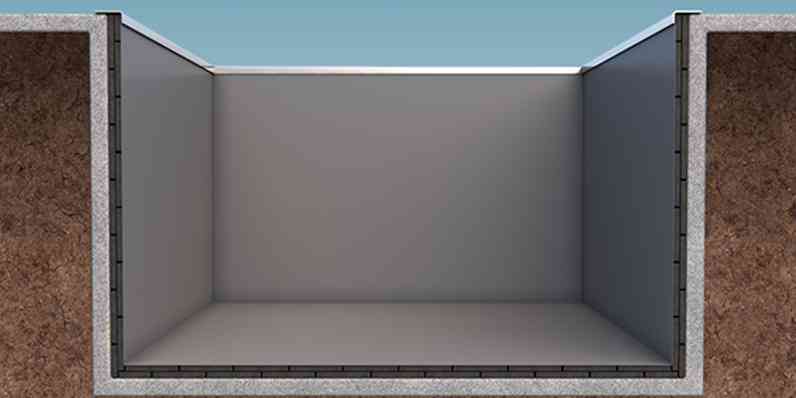
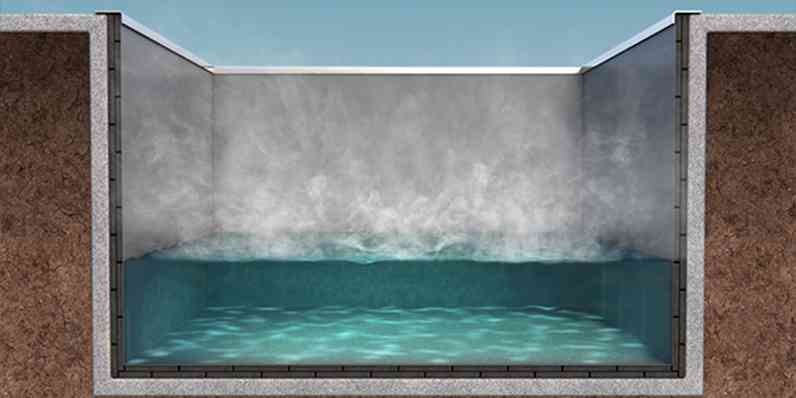
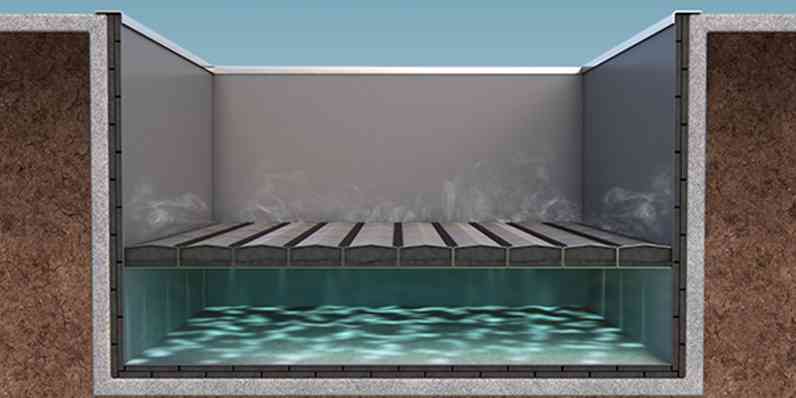
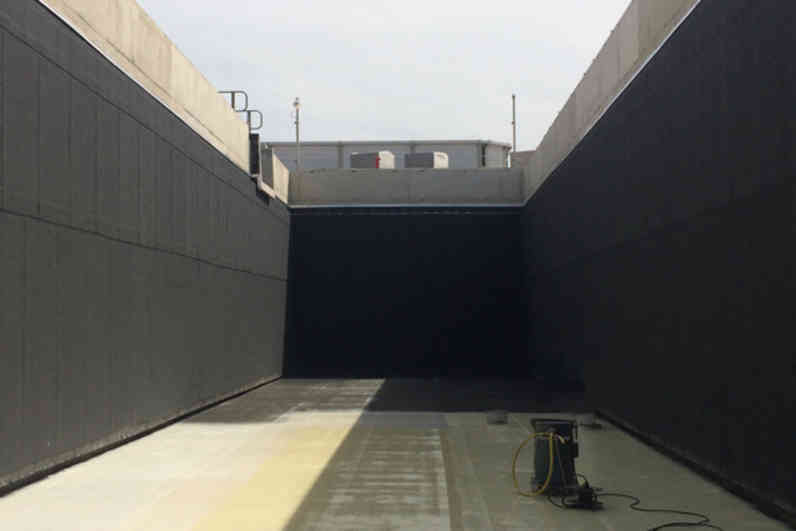
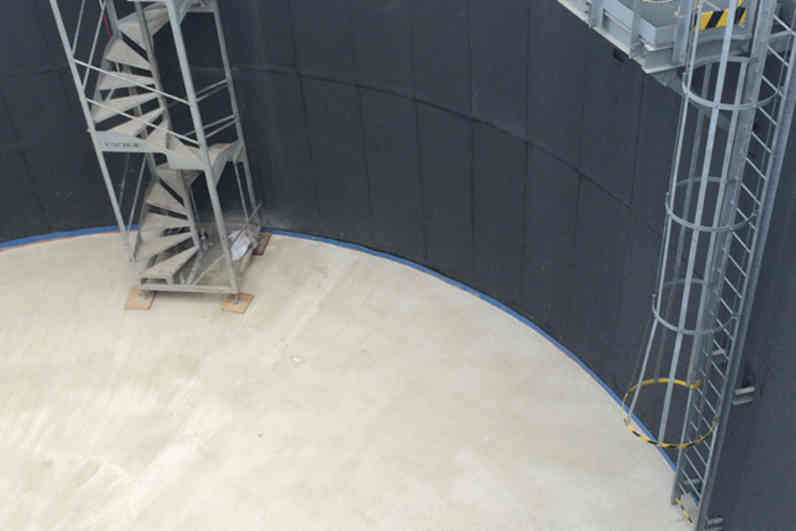
By protecting concrete walls from reaching cryogenic temperatures, traditional steel rebar may be viable for use.