









This is a cache of https://www.owenscorning.com/en-us/roofing/blog/hurricanes. It is a snapshot of the page as it appeared on 2026-09-17T03:18:17.569+0000.
Get Your Roof Ready for the 2026 Hurricane Season | Owens Corning Roofing Skip to Main Content
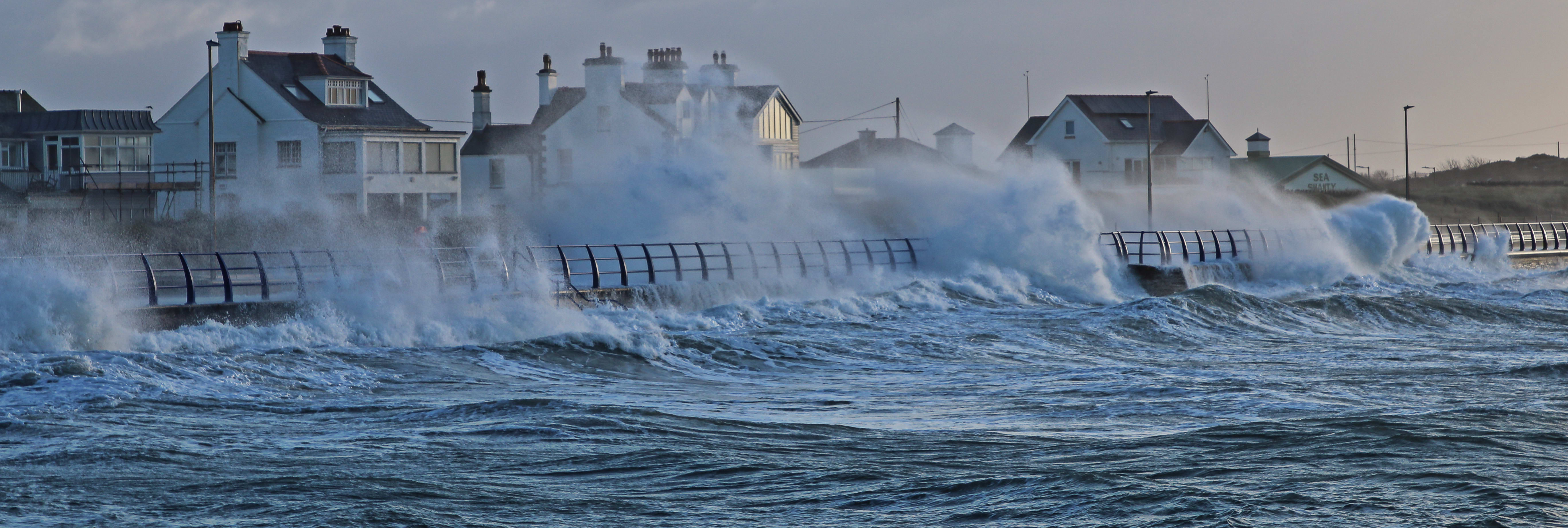
Ocean waves crashing into a coastal apartment building

2026 Hurricane Season Roof Prep

Written By Owens Corning RoofingDate Published 2026-05-06

Use our guide to help prepare your roof for the 2026 hurricane season. Regular roof inspections, supportive bracing, and wind-resistant roofing materials can help protect your home.

Is Your Roof Ready for Hurricane Season?

The National Weather Service’s campaign for hurricane safety takes place May 3rd through May 9th of 2026. This weeklong social media blast offers tips on understanding forecasts, preparing your property, and staying safe before and after a storm.

If you live along the Atlantic, Gulf of Mexico, or Pacific coastlines, preparing your home and outdoor areas for hurricane season should be part of your annual home maintenance. Knowing how to protect your roof from storm damage, especially during hurricane season, is essential.

Hurricanes and tropical storms can also affect inland regions, so roof hurricane protection affects more than just the coastal regions.

Learn more about protecting your roof during the 2026 hurricane season.

When is the 2026 Hurricane Season?

June 1st through November 30th is the official Atlantic and central Pacific (including Hawaii) hurricane season, according to the National Oceanic and Atmospheric Administration (NOAA)according to the National Oceanic and Atmospheric Administration (NOAA), although earlier or later storms are possible. The Eastern Pacific season is runs from May 15th to November 30th. During this period, storms are named and classified based on their strength.

The World Meteorological Organization maintains rotating lists of names used for tropical storms and hurricanes each year. According to the National Hurricane Center, a tropical system is assigned a name once its sustained winds reach 39 mph. The first storm to reach naming strength in 2026 will be called Arthur. When sustained winds reach 74 mph, a storm is classified as a hurricane. Storms with winds of 111 mph or higher are considered major hurricanes (Category 3 or above on the Saffir-Simpson scale) and have the potential to cause catastrophic damage.slightly longer, beginning on May 15th.

2026 Hurricane Forecasts

TEMPERED, BUT NOT RISK-FREE ATLANTIC HURRICANE SEASON PREDICTED

Hurricane experts predict the number of tropical storms and potential hurricanes each season. Meteorologists base these annual forecasts on weather patterns, water temperatures, and historical data.

Above-average ocean temperatures, which helped fuel some of the 2025 storms, continue in the Atlantic and Gulf and could make 2026 equally costly. 

The current estimates based on predictions from AccuWeather meteorologists include:

  • 11-16 Named Storms
  • 4-7 Hurricanes
  • 2-4 Major Hurricanes, Category 3 or higher
  • 3-5 Hurricanes with Direct U.S. impacts

However, it’s not just the number and strength of storms that cause impact damage, as shown by 2024’s costly season and 2025’s comparatively mild season. Other factors include:

  • Storm movement
  • Rainfall amounts
  • Tornadoes created
  • Tidal patterns

Why Hurricane Preparation is Still Important

A developing El Niño is expected to play a major role in shaping the 2026 Atlantic hurricane season, contributing to a near- to below-average number of storms. However, preparedness remains critical, as 3–5 direct U.S. impacts are still forecast. Additionally, unusually warm ocean waters could fuel rapid intensification, increasing the risk of fast-strengthening storms.

The 2024 hurricane season had 18 named storms. Yet, most of its estimated $500 billion loss came from five hurricanes and one tropical storm. Even in 2025’s quieter season, a disproportionate share of extreme intensity was concentrated in just a few storms, with three reaching Category 5 strength on the Saffir-Simpson Hurricane Wind Scale (Hurricane Erin, Humberto, and Melissa). Together, these examples show that even a single season with relatively few storms can produce outsized losses when impacts are concentrated in the most intense events.

Weather radar view of hurricane approaching the coast of Florida

Helping to Protect Your Roof During a Hurricane

Whether it’s a catastrophic hurricane or a powerful tropical depression, wind gusts, flying debris, and torrential downpours can cause considerable damage to your home.

Roofs are especially vulnerable due to their exposed location and large surface area. Storm winds with powerful uplifts can peel shingles off the roof’s surface. Once the shingles are gone, the wind batters the underlayment. Pounding rain can lead to water infiltration of the decking, causing extensive damage in a short amount of time.

Prepare your roof for the 2026 hurricane season by following these tips.

Arrange for a Pre-Season Inspection 

Take care of problem areas before bad weather arrives. Schedule a roof inspection to check for loose or cracked shingles and damaged flashing. Scan the attic spaces and insulation for signs of dampness.

Provide Added Support 

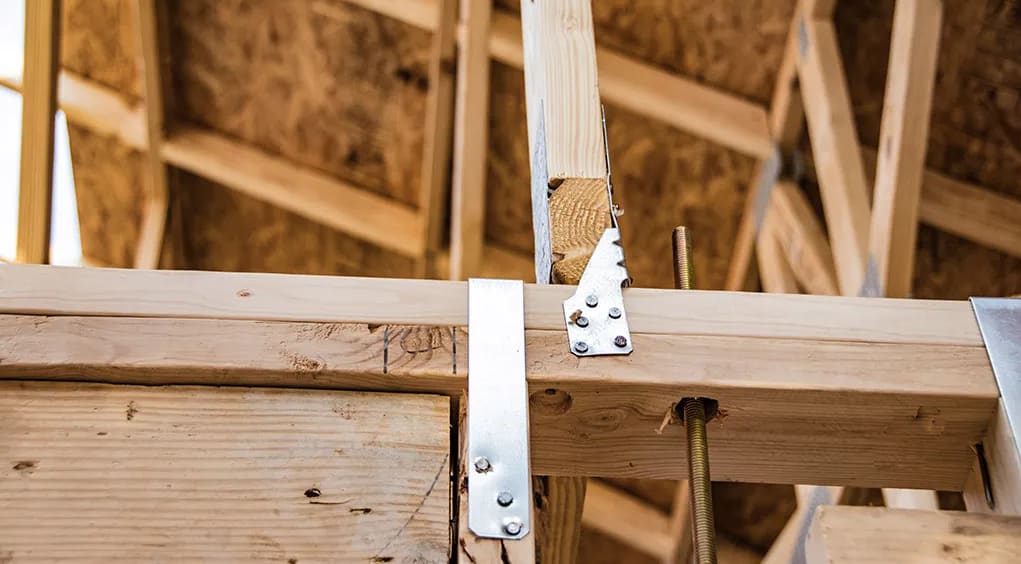
If you live in a region prone to hurricanes, you might want to have your roof's framing reinforced. While added support is easiest to install during the initial build of a home, it is possible to reinforce your roof through the attic space. A professional roofing contractor can explain the pros and cons of various roof strengthening methods, such as: 

  • Braces 
  • Collar ties 
  • Strapping 
Wooden attic rafters with a hurricane twist strap

Choose Quality Roofing Products

Your choice of roofing materials can affect the amount and type of damage your home experiences during a weather event. Asphalt shingles designed for wind resistance can help minimize your risk of roof damage.

Take a look at these stories from homeowners who experienced the impact of Hurricane Ian in 2022 and whose roofs with Owens Corning TruDefinition® duration® Series shingles and Oakridge® shingles withstood the force of the storm. Owens Corning’s TruDefinition® duration® Series shingles with SureNail® Technology triple-layered protection, and Oakridge® shingles with a double-layered nailing zone protection are excellent examples of how specially designed shingles can help provide wind protection during storms.*

In addition to using high-performance asphalt shingles, consider these strategies to help prepare your roof for the upcoming 2026 hurricane season.

  • Asphalt Cement can be used under any loose or unsealed shingle tabs, on ridges, and on the roof edges for added security. If your shingles pull up easily, your roof may need to be fortified to prepare for the hurricane season. A roofing contractor can use an approved asphalt cement meeting ASTM D4586 specifications to help create a seal.
  • Synthetic Underlayments provide an additional layer of protection between the wood decking and the shingles, mainly to help guard against wind-driven rain. In addition, should shingles blow off, synthetic underlayment that remains attached to the roof deck can help keep the elements out.
  • Self-Adhered Underlayments, such as ice and water barriers, are designed to help protect the roof where water collects or flows, including valleys, vents, chimneys, and skylights. During a hurricane, the wind can drive rain in horizontal sheets. Self-adhered underlayments can help prevent water from penetrating the roof deck. In hurricane-prone areas, contractors may apply one of several WeatherLock® Ice and Water Barrier options over the entire roof. 

Be a Proactive Homeowner

Hurricane roof damage can occur suddenly and escalate quickly. When it comes to hurricanes, being prepared is much better than reacting to an emergency. So, knowing how to protect your roof from storm damage and keeping your home ready with regular inspections and reliable products designed to help defend against wind gusts, driving rain, and flying debris is vital.

Check into Potential Insurance Discounts

Proactively helping protect your home may earn discounts on your homeowner’s insurance. Some states even require insurance providers to offer discounts to homeowners who observe hurricane-related building codes**.

Depending upon your insurance carrier, you may need to schedule a wind mitigation inspection. During this assessment, a certified inspector will assess your home. They’ll look at the siding, windows, doors (especially the garage doors), and, of course, the roof.

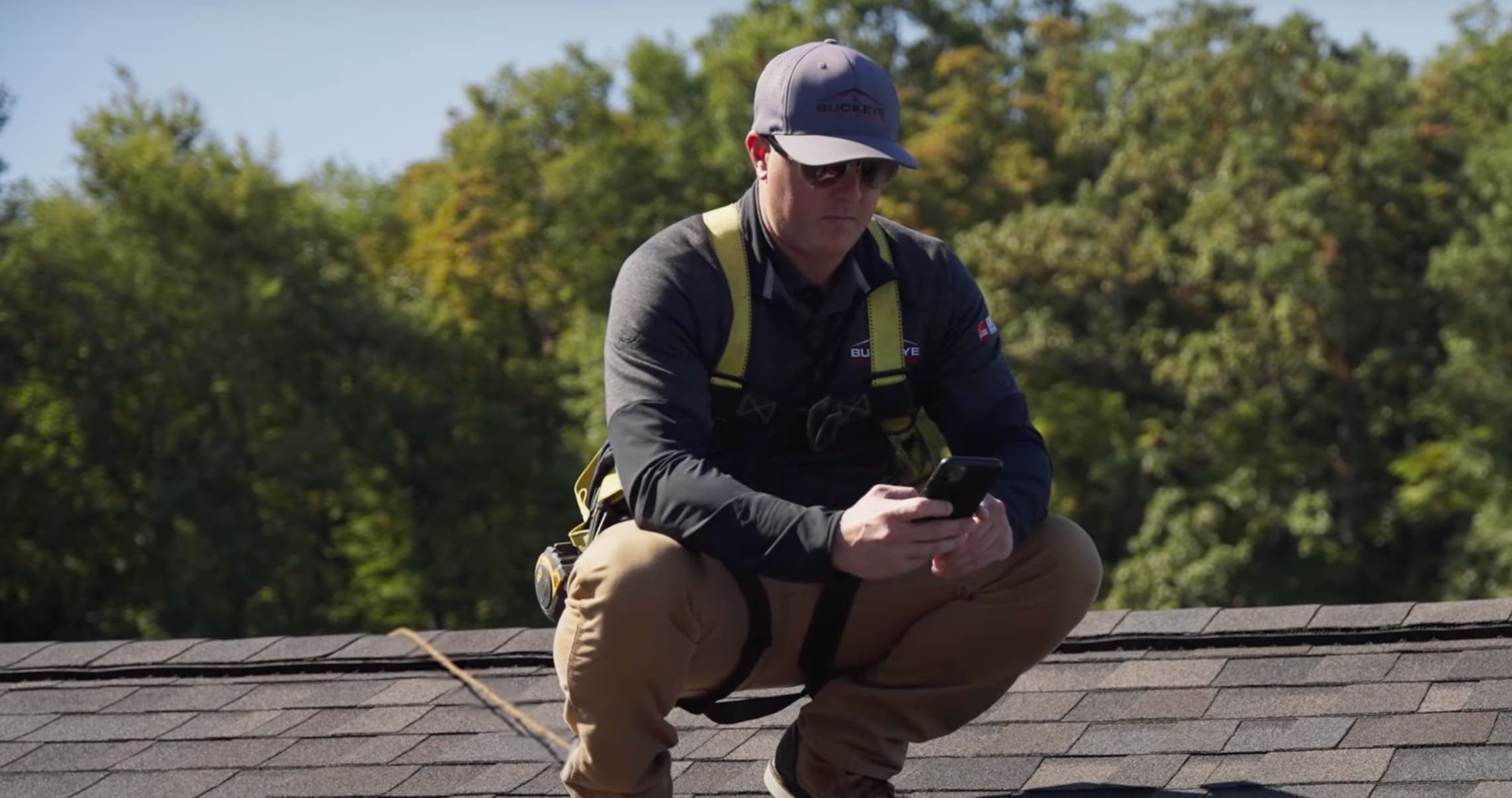
Roofing Contractor squatted down on a roof top taking a picture of the roof ridge with his phone

Consult a Roofing Expert

If your home’s roof is starting to show signs of wear and tear or you would like a pre-hurricane season inspection, contact an independent roofing contractor. They can discuss the benefits of repair vs. a total roof replacement and advise you on hurricane prevention strategies for your roof.

Search the Owens Corning Roofing Contractor Network to find independent roofing contractors near you.


*Not a guarantee of performance in all weather conditions. See actual warranty for complete details, limitations, and requirements.
**Consult your insurance carrier for further details.


Sources:
2. Prepare Before Hurricane Season from the National Oceanic and Atmospheric Administration (NOAA)
6. Saffir-Simpson Hurricane Wind Scale from the National Hurricane Center
7. Caribbean Sea, Gulf of Mexico and the North Atlantic Names from the World Meteorological Organization


Share this page on:

Related Articles

Roof Damage
Signs of Storm Damage on your Roof

While your roof is designed to withstand the elements, some storms are more intense than others. There are signs to look for when you believe there may have been damage to your roof.
Read more
Home in a storm

Shingles
Taking Shingles for a “Test Drive” with FLEX Fest

FLEX Fest is a fun way for roofing contractors to “test drive” and get hands-on experience with TruDefinition® duration FLEX™ - new SBS UL 2218 Class 4 impact resistant shingles from Owens Corning.
Read more
Contractor throwing ice ball at SBS roofing shingles

Roof Damage
Roof Storm Damage Checklist

Keep our roof storm damage checklist handy so you know what signs to look for after a storm and can take the steps to get your roof assessed and fixed if necessary.
Read more
Photo of the top of a roof with gray shingles set against a dark, stormy sky with lightning

Roof Damage
Ice and Water Barriers for Your Roof

What you need to know about ice and water underlayment products that help to create a waterproof barrier on your roof and help to keep moisture out.
Read more
Photo of the roof of a house covered with snow, with icicles hanging

roofing-material-components
Class 4, Impact-Resistant Roofing Shingles

Learn about Class 4, impact-resistant asphalt roofing shingles, how they earn their rating, and how they can help protect your roof from hail damage.
Read more
Tan colored house with brown shingles set against a dark, stormy sky with lightning flashing

Roof Damage
How to Avoid Roof Ice Dams

If your roof is effected by snowfall and melting and freezing over this is an ice dam. The melted water that pools behind the ice dam gets trapped, creating the potential to leak into the home and cause damage.
Read more
An ice dam is a ridge of ice that forms at the edge of a roof and prevents melting snowfrom draining off the roof.